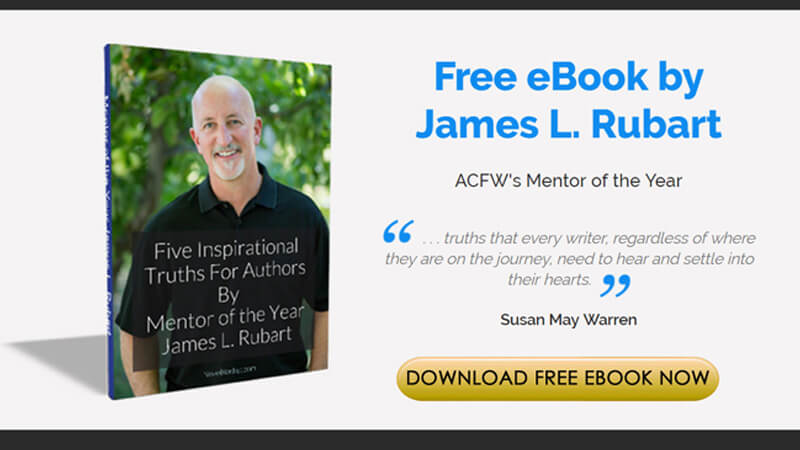

Get a Free Ebook

Five Inspirational Truths for Authors

Try our Video Classes

Downloadable in-depth learning, with pdf slides

Find out more about My Book Therapy

We want to help you up your writing game. If you are stuck, or just want a boost, please check us out!

Showing posts with label ficiton writing. Show all posts

Wednesday, January 15, 2014

Back Story vs Character History

by Rachel Hauck


Ding, ding!

Referee: “Ladies and gentleman, welcome to the first ever bout between Back Story and Character History.”

Wahhaaaaa. Cheeerrrs!

Ref: “In this corner, from the New York City, wearing black shorts, weighing in at a hefty five hundred and eighty-two pounds is the champion of all novel prose, Baaaaack Storrrryyyyyy!”

Waahhhh…. crowd cheering.

“And in this corner, from Miami Beach, wearing blue shorts, weighing a sleek one hundred and seventy-eight pounds is the challenger, Chhhaaaarrracter Hhhiiiistorrrryyy.”

Wooooo…. Crowd booing.

Referee: “All right you two, I want a clean fight. No hitting below the belt, no tripping, spitting, holding or biting. Touch gloves, go to your mutual corners and when the bell rings, come out fighting.”

Ding!

Character History leaps to the center, bouncing, dancing, he’s full of pip. From his corner, Back Story lumbers to the center of the ring. One cross from the herculean champ, Character History will be out, face down on the canvas.

Character History circles, jabbing at his opponent.

“He sure seems confident, Bill.”

“I’ll say he does, Sam.”

Smirking, Back Story takes a wide stance, raises his gloved fists and waits, his hawk-like gaze tracing the young fighter. He’ll not give up his championship belt without a fight. 

He know, this young whipper-snapper has no power over him.

Character History bobs and weaves. He taunts. “You’re going down, Back Story. You’re going down.”

“Take your best shot, wise guy.” Back Story strikes, a hard right jab.

Oh! Character History takes the hit on the chin. His head snaps back and he wobbles to stay up. He’s against the ropes. Back Story presses forward.

“This is it folks. Back Story will win in round one with a one-two punch.”

Just as he swings, Character History cuts low and lands a hard shot to Back Story’s ribs. The big man is stumbling, breathing heavily.

His arms slip low but he recovers, watching Character History circle. He strikes again with an uppercut…

“But mercy, Bill, Back Story misses by a mile.”

“And here comes Character History. With a jab, cross, uppercut. Ooo, Back Story is taking a beating. He’s teetering… he’s stumbling… he’s against the ropes. Sam, it’s not looking good for Back Story.”

Character History throws one final blow. A sharp cross. And Back Story falls! 

The whole arena quakes as he hits the canvas. It’s like watching Goliath being quelled with one of David’s stones.

The ref is on his knee, counting. “One, twos, three, four…. nine, ten. You’re out, Back Story. You’re out.”

It’s over. In Round One.

“Ladieeesssss and gentlemennnn, Chhhhaaarrracter Hissstory is the new prose Cham’peeean of the World.

***

Fun, uh? Okay, I can hear y’all now, “Rachel, what are you talking about?”

I’m talking about back story verses character history. What’s the difference? Strength, power, speed, agility and ability to sustain the long haul of a novel.

Back story is old fashioned writing. It’s large and encumbersome. Slow. Waddling. And most of the time, unnecessary.

But writers use it and readers endure it because it gives us some glimpse into the heart and soul of a character.

Character History is hot, lean and sleek, fast and quick, in and out, not weighing down the story.
Back story, we all know, slows down the action. We’ve heard the rule: No back story for the first 30-50 pages.

But wait, what if an author needs the reader to know something critical about the character for the opening scenes to make sense?

That, my lovelies, is character history.

For example, Billy Bob is about to go on his first police call -- a possible robbery -- since returning to the force after being shot in the gut while responding to a bank hold up.

 He’s nervous. He’s anxious. 

When he gets inside the establishment, he draws his gun a bit too early and almost shoots his partner.

What’s going on with him? I f we stick to the “no back story rule” we miss the importance of this moment. 

His jittery nerves just make us think he drank too much coffee. We don’t care.

What the reader needs a bit of history. A line or two of prose, or even better dialog, that gives the reader a hint of Billy Bob’s emotional state.

The scar on his shoulder from the bullet wound burned and twisted as Billy Bob entered the bank. It’d only been four weeks… and in a split moment, he couldn’t remember why he’d returned to this job.

Ah, the reader has learned there’s something more to the story. 

It ups the readers attachment to Billy Bob. This bit of history adds tension. 

What bullet in the gut? When? Who shot him? Why?

All of those question, left hanging, build tension and will be answered later in the story.

 If the writer wanted, s/he could add a line of dialog from his partner.

“You okay?”
“I’m here aren’t I?”
“Just wondering.”
“You do your job, I’ll do mine.”

Why was his partner asking Billy Bob if he was okay? Hmm? The reader wants to find out more so s/he turns the page.

Back story is another matter. Back Story stops the forward action and talks about things unrelated to the current scene and emotion. 

Back story interjects another story.

Sure, it’s about Billy Bob and it’s all true, but it takes the reader to another emotional place.

Here’s a back story blob:

“Since taking a bullet in the gut, Billy Bob wondered if he could still be a cop on the beat. But his dad had been a cop and his father before him. Every Martin man wore the badge. 

Billy Bob remembered the first time he held his father’s badge, feeling the cool metal in his palm, stroking his finger over the shiny brass. 

He knew then, at then, he’d be a cop just like his father. Mother didn’t want him to be. She worried about Dad, but if a man put on blue and a gold badge, wasn’t he invincible?”

Wow! All that while checking on a robbery call? By now, the reader’s forgotten what was going on. 

And some back story trails go on for pages and pages.

Meanwhile, the burglar has escaped while our hero mused over his past. Or worse, shot Billy Bob’s partner.

The reader doesn’t need that much information. Save it for later. Perhaps in a conversation with his Dad when our hero, Billy Bob, is facing a voice-of-truth moment.

Back Story is more for the author than the reader. Character History is for the reader, and the power of the story.

So, what’s Character History and how do we use it?

1.         Character History applies to the current action on the stage. If your heroine cannot stand the hero, don’t let her behave irrationally, leaving the reader in the dark. Don’t give us a snippy rude girl without giving us motivation. Drop in a line of history. “Ever since seventh grade when he stole her PE clothes from her locker and she got detention, Jen couldn’t stand Colby Witherspoon.”

2.         Drop in the pertinent history related to the character's current emotion and motivation and exit quickly. Leave the reader a bit curious.

3.         Character History sets up tension. Drop in a line about how your character is afraid of…. snakes or heights. Can you imagine how boring the snake scene would’ve been in Indiana Jones would've been if Indy went on for several minutes about the reason he hated snakes. How his big brother used to toss snakes on him when they played in his grandma’s creek? Who cares at that point? All we needed in the opening scene was "I have snakes."

4.         Character History is part of the prose painting. It helps the reader take a breath and get into the heart and mind of the protagonist. But be careful. Just a bit of history is all we need. Use dialog, or a fast line or prose, to paint the history. Don’t give the reader a montage that begins when our heroine is ten and ends when she’s sixteen. All you need is enough to fill the reader in.

5.         Character History sheds light on the protagonist motivations. Let the history pertain to what’s happening in the current scene. If your character is dealing with, oh, say, an errant child, don’t stop and give a dissertation on the protagonist own childhood and upbringing. Not necessary. Boring. But, do tell us how her mother was so kind and patient, and it frustrates her how she is so impatient and sharp. That’s all the reader needs to get what’s going on with the protagonist motivation.

Watch out for phrases like, “a sound brought her back into the present.” Ooo, where did she go? 

We all love to sit and reminisce, but a novel is about tension, conflict and moving forward. Most of us don’t stop to muse or reflect while arguing with our friend or trying to save the world. Right?

Now, these are guidelines. Once in awhile, we do have a character drift off in thought for a moment, but be guarded. Ask yourself if there is a better, more emotionally impacting way to present the information. If not, then go for the reflect and keep it brief.

So, there you have it. The bout between Back Story and Character History. Go out writing and have a clean fight with your words.


Ding, ding!


Best-selling, award-winning author Rachel Hauck loves a great story.


With a love for teaching and mentoring, Rachel comes alongside writers to help them craft their novels.

She serves on the Executive Board for American Christian Fiction Writers and leads worship for their annual conference. At the fall conference in Indianapolis, she was named ACFW 2013 Mentor of the Year.

She is also the Book Therapist for My Book Therapy.

She lives in Florida, where she is also a worship leader, with her husband and mini schnauzer.

Her novel, The Wedding Dress, was named Romantic Times Inspirational Novel of the Year. Her latest release, Once Upon A Prince, earned starred reviews from Booklist and Publisher's Weekly.

Visit her at www.rachelhauck.com

Thursday, March 22, 2012

Writing Conference Connections

When you help organize a writing conference, you sometimes wonder whether the conference connected with those who attended—whether they picked up on the vibe you were trying to create, or not.

Occasionally you receive feedback from a conferee—or you observe a moment during conference—that eases your mind and makes you know the effort was worth it.

With the Writing for the Soul conference, one of the things we strive to create each year is a sense of community among those who attend. So, it was a joy to see that lived out—particularly between the finalists in our Operation First Novel contest.

Group dynamics
In January, we notified the five finalists—Kimberley Gardner Graham, Jim Hamlett, Clarice James, Peter Leavell, and Terrie Todd—that one of them would see his or her book published by Worthy Publishing, our co-sponsor in the contest, and receive $20,000.

What happened next was special.

The finalists formed a support group for each other and I was lucky enough to be included in their email group (which is still going strong, by the way). Some of what they shared was pure silliness (limericks, anyone?), but they also went deeper. They began to pray for each other—and for the conference.

Leavell (right), the eventual winner, said it best: “One prayer surfaced, ‘Please, Lord, let the book the world needs win. Not our wills, but Yours.’ We all rallied around that thought. Of course we each wanted to win, but God was more important.”

Singing solo
But that was just one group of five who clicked, right? Not so fast. Another conferee, Cecilia Accetta, submitted a blog post for the Guild’s blog (read her full post). In it, she wrote about the welcome from Jerry B. Jenkins that was included in our conference notebook: “Welcome to the 2012 Writing for the Soul Conference! It’s good to have you here.”

After sharing some conference highlights, Accetta (right) concluded her blog: “By far, the best thing was knowing that everyone there gets you. I felt at home—like I was sitting at a dining table with friends. Jerry Jenkins may have said in his letter that it was good to have me there, but the truth is it was good for me to be there.”

What about you?
That’s good to hear as a conference organizer. Heck, that’s good to hear as a writer/editor and as a person involved in the publishing industry.

And it makes me eagerly anticipate (yes, already!) our 2013 Writing for the Soul conference—so I can enjoy the stories that come out of it. Maybe I’ll see you there?


Michael Ehret loves to play with words and as editor of the ACFW Journal, he is enjoying a new playground. He also plays with words as the editor-in-chief of the Jerry B. Jenkins Christian Writers Guild and as a contributor here on Novel Rocket. He has edited several nonfiction books, played with words as a corporate communicator, and reported for The Indianapolis Star.

Tuesday, January 31, 2012

None of Them Had it Easy. None.

Are you a fan of Biography? Here are a few of the profiles I’ve taken a gander at in the past two months:

• John Travolta
• The Rolling Stones
• Jamie Lee Curtis
• Eminem
• Jodie Foster
• Chelsea Handler
• Anthony Hopkins
• Jennifer Lopez
• Kelly Clarkson
And wait! Yes, I watched more!

It’s fascinating to see where these celebs came from, what got them there and what they had to go through to get there. If I may be frank, even though I’m really Jim, I was surprised.

I had this idea that most stars walked into their gifting/destiny with a few minor pebbles in the road, not a street where bombs had gone off and were still exploding.

ALL of the stories revealed serious setbacks before these stars achieved fame and fortune. All. (And they continued to have challenges.)

A repeating mantra when outsiders describe these people are statements like:

“They were so incredibly determined.”

“They worked harder than anyone else.”

“They knew what they wanted, fixed their eyes on it and refused to give up.”

“No one came to see them at first, but they didn’t care. They just kept at it.”

I suppose I could have made this post much shorter and simply said, “Hey, it’s tough on everyone who wants to reach a dream, you’re not alone.” But I think knowing others have been on and are on this path helps.

It comes down to this: You have to believe in yourself. When no one else does. There is no other choice.

There is no other road.


James L. Rubart is the best-selling author of ROOMS, BOOK OF DAYS, and THE CHAIR. During the day he runs Barefoot Marketing which helps businesses and authors make more coin of the realm. In his free time he dirt bikes, hikes, golfs, takes photos, and occasionally does sleight of hand. No, he doesn’t sleep much. He lives with his amazing wife and teenage sons in the Pacific Northwest and still thinks he’s young enough to water ski like a madman. More at www.jameslrubart.com

Thursday, January 05, 2012

Feeling Like Stretch Armstrong

The Web is full of admonitions to stretch before working out or engaging in any kind of exercise. Why? The plusses are many:
  • Stretching helps prevent injuries
  • It keeps your muscles in good working order
  • Tight muscles are less capable
  • It just makes you feel good
Plus, if you stretch first you’re less likely to have to listen to your wife laugh (under her breath, of course) while you’re on the chiropractor’s table.

And who hasn’t enjoyed a good shoulder stretch after hours of hammering away at the keyboard?

Writing stretches
Lately, I’ve been doing some serious stretching in my writing/editing life. Since September, I’ve been helping to launch a new print magazine for American Christian Fiction Writers, ACFW Journal.

We have a great team pulling this together (and we’re having a great time, too), but I am being stretched, particularly in the areas of organization and time management.

As the editor-in-chief of the Jerry B. Jenkins Christian Writers Guild, I’ve taken on some new responsibilities this year that have really been a blast, but which have also stretched me in ways that weren’t always comfortable.

We improved our popular Operation First Novel contest, providing entrants with feedback on their submissions for the first time and I took on the task of managing the blog content for the Guild—both stretching me, again, in the area of organization.

Since organization is definitely a weakness of mine (I don’t really even know how to use Excel, but I’m learning), this has all been a great experience. I think it will eventually lead to me learning how to better use my time—and finding the time to pick up my writing again.

Strength in weakness
In II Corinthians, Paul notes that he “will boast more gladly about my weakness, so that Christ’s power may rest on me. That is why, for Christ’s sake, I delight in weaknesses … for when I am weak, then am I strong” (II Corinthians 12:9-10, NIV).

What about you? In what areas are you being stretched? What weaknesses are you being forced to face? And how will that both benefit you and further the cause of Christ?


Michael Ehret is the editor-in-chief for the Jerry B. Jenkins Christian Writers Guild. He has written for newspapers and other print and online outlets. He edited several nonfiction books, was the senior editor for a faith-based financial services and insurance organization, and is the editor of ACFW Journal, the magazine for American Christian Fiction Writers.

Thursday, November 03, 2011

Go Teen Writers!

Stephanie Morrill is a twenty-something living in Overland Park, Kansas with her husband and two kids. Her only talents are reading, writing, and drinking coffee, so career options were somewhat limited. Fortunately, she discovered a passion for young adult novels and has been writing them ever since. Stephanie is the author of The Reinvention of Skylar Hoyt series and is currently working on other young adult projects. She enjoys encouraing teen writers and do so on her blog Go Teen Writers. To connect with Stephanie and read samples of her books, check out Stephanie Morrill books.


Meet Stephanie Morrill. She's a gifted novelist who also shares her amazing skills through her writing blog--Go Teen Writers.

Stephanie, how long have you been writing?


Since first grade, when my class had special writing time every day. When we finished writing our stories, the school printed and bound them. I loved every part of the process except the illustrating. I've always been a horrible artist...

When did you know you wanted to become a writer?

Even back in the first grade when I was writing stories inspired by my stuffed animals, I thought this was what I wanted to do. I really caught the writing bug in high school when I took a creative writing class and started completing full manuscripts. I even submitted a few to publishing houses. I was crushed by rejections, but my English teacher--a wonderful but intimidating woman--told the whole class she knew I would be published someday. I really didn't want her to be wrong!

Tell us about your new site. How did you get the idea?

I've always naturally written for teens. It's just the voice God gave me. After my first book came out, Me, Just Different, I started receiving emails from girls saying they loved the book, and asking if I had any tips for young writers because they wanted to be writers too. Plus I was doing school visits and seeing all these teens who were taking writing seriously, doing NaNo. I was answering the same questions over and over, and thought, there must be more teens like this out there.

What drew you to want to help writers get started?

Because I knew no one and nothing--what's a genre? what's a literary agent? what's an SASE?--when I started down my journey. Everything I learned, I learned the hard way. I thought I would enjoy passing along what I'd gleaned.

Can you give us any statistics on how your blog is doing?

At first, the blog wasn't doing much. The people who were hanging out there really loved it, but after a year of blogging, the site had received only 4,000 hits and had 40 followers.

But I loved it too much to scrap it, and all the grown had been organic (none of the followers were friends or family) so I decided to start blogging more frequently, to offer contests, and to write about the novel writing process from the germ of an idea to the final polish. I started doing that about ten months ago. The site has received over 60,000 hits now and has over 240 followers.

Part of the growth is due to the changes I made, but I know a lot of it came from finally praying about it. I always viewed the idea as being inspired by God, but it's embarassing since I'm supposedly a mature Christ follower. I really didn't pray much about the blog until earlier this year.

How do you come up with your blog writing prompts?

Usually, they're opening lines that come to me, but without a story attached. Sometimes I'll think, that would be an intriguing opening line to a novel, but I have no idea what would happen next. The teens come up with wonderfully creative stories though!

Do you have a missions purpose with offering to share your writing skills?

When I first started Go Teen Writers, I honestly didn't think of it as a ministry. Just me passing along what I had learned to the next generation. There was nothing hard about that, in my mind, and I had this horrible mindset that ministry needed to be hard and that it needed to be run through the church.

But then I started hearing from girls about how much they loved Go Teen Writers, and how it was the only place they could come and be encouraged in their writing. And then they started connected with each other on the blog, responding to each others' comments. Now we have Christian teens and teens who are far from God. It's only been in the last few months that I've realized it's a ministry, and that's the reason it doesn't feel hard--because God designed me to do this.

Are you discovering some talent blooming among your young writers?

I'm regularly blown away by the creativity of that group. We did a free-write contest where everyone was allowed to submit the first 150 words of their manuscript. With a bunch of those entries I wanted to say, "Can I read the rest? This is so good!"

What I've also discovered is how polite and respectful and appreciative teenagers are. Or at least the teens hanging around Go Teen Writers. It took me a long time to convince them it was okay to call me Stephanie rather than Mrs. Morrill. And they regularly thank me for running contests and advising them and bringing guest authors on. Which is great, but I get all the thanks I need from just hanging out with them.

Interview conducted by Julie Garmon.

Friday, October 21, 2011

What You Can Learn from the Universal Story ~ Martha Alderson


Martha Alderson has worked with hundreds of writers in sold-out plot workshops, retreats, and plot consultations for more than fifteen years. Her clients include bestselling authors, New York editors, and Hollywood movie directors. She lives in Santa Cruz, CA. Follow her blog.


What You Can Learn from the Universal Story

My understanding of the Universal Story and its importance emerged from twenty years of research into the anatomy of stories and consulting with writers from all over the world. By gaining a fluent knowledge of the Universal Story, you gain at least two strengths:

1. The more skilled you are at presenting your words according to the time-honored techniques, the more compelling your story and the stronger its connection will be with readers and audiences.

2. By creating a transformative plot for your story, you improve your productivity as a writer, which in turn transforms the quality of both your writing life and your personal life.

Wisdom about the Universal Story improves your story and it also will improve your life. Stand back from the drama of your own life and gain a deeper understanding of the bigger picture by assessing where you currently are in the Universal Story. Determine how your own individual story is related to and is integrated within the whole of your life. Learn about the strength and purpose of your own personal power and what weakens you as a writer and a person. Seize the capacity to create vital stories and live a meaningful life.

The Universal Story is in the undercurrent of every breath you take, every story you tell yourself, and all the stories you write. Learn to refer to it when you arrange a story or when, having written, you find yourself mired and lost or simply curious about where you are and where you are headed or, at least, the general direction in which you are moving.

The better you know your strengths and weaknesses as a writer and the broader your understanding of the universality of the story of your life, the less resistance and pain you experience when crafting a story. Understanding the universality and interconnectedness of everyone’s stories allows you to appreciate the forces that both support and interfere with your success.

The deeper you delve into the Universal Story, the more you will recognize the universal components in your work—your protagonist’s emotions in a scene, your reaction to situations, and the significance of friends and foes in your story and in your life.

The more conscious you are of the meaning of your writing and your story, the closer attention you pay to the words you write, the schedules you create, and the language you speak.

A belief in the partnership between the writer and the Universal Story makes you less inclined to give full ownership of the story to your ego. This partnership helps you do what needs to be done for the good of the story and readies you to work in concert within yourself and outside yourself. Thus, you will be more willing to open yourself up for critiques and feedback from others.

That said, I recommend that you never show your first draft to anyone. The first draft of a writing project is the generative phase. At the end of it, you are faced with a manuscript full of holes and missteps, even confusion and chaos. This is part of the process. Bringing in an unbridled critic risks stifling the muse and could intimidate you into stagnation.

Your first draft is a fragile thread of a dream. You know what you want to convey—well, maybe. Few writers adequately communicate a complete vision in the first draft of a story, especially when writing by the seat of your pants. Allow others to read your writing now and you may lose energy for your story and become overwhelmed by the task ahead of you.

Submitting your work for others to evaluate and judge is never easy, but then writing it in the first place was not easy either. Before making a copy of the story for others to read, release old beliefs that do not fit you anymore. By now, you already have purged scenes and chapters that lacked a thematic thread leading to the climax. Just as the release of those unnecessary words frees your story to embrace a new identity, you are free to create a higher and more vibrant meaning to your life.


Release Your Ego When You Release Your Story to Be Read and Critiqued by Others

You have three choices about how to react to feedback from others:

1. Your body shrinks and withdraws. Negative words crowd your mind. You give up.

2. You become angry and belligerent, rejected constructive criticism that could be helpful.

3. You consider the feedback and intent thematically. You wake up and move ahead.

In learning about the Universal Story, you come to understand that you are more than the words you write and the books you publish. You are a writer. Because you are a writer, you listen differently to other people’s judgments about your words and your books.

Thursday, September 01, 2011

Ever Built A Platform?

As a writer, you need to build a platform to support your career over the long run. That’s why it’s important to build it right.

Don’t jump!
Many eager writers hear about the need to build a platform and, being intrepid folk, leap right into social media with little thought.
But that’s the wrong approach, according to
T. Suzanne Eller (right), a Christian Writers Guild mentor, who wrote about conquering social media recently in the Guild’s member newsletter, WordSmith.

Build it and they will come. Right?

Maybe that worked for Kevin Costner in
Field of Dreams
, but it doesn’t work for social media. Before you start a Facebook fan or group page, start tweeting, or blogging, you need a blueprint. To create an effective social media platform that will draw your niche audience to your message, you need to answer:


  • What is your message?


  • How do you communicate it throughout your social media platform?


  • Who is Googling questions for which you have answers?


  • How do you reach that person with content and value?


  • How do you help that person find you?


  • What will draw readers and create synergy and word of mouth?


  • How much time are you willing to devote?


  • How can you avoid mistakes that will alienate potential readers?

Suzie’s right. You need a plan when building your platform.

Build it right and they will come
Because of her experience, Suzie wrote the Guild's new course, Building Your Social Media Platform, to teach writers how to effectively use social media. She is also one of the professionals who will provide one-on-one mentoring for the course.

If you need help in this area, the Guild invites you to
consider our course . Alternately, another platform guru, Randy Ingermanson, will teach a four-hour course on the same subject at the Guild’s Writing for the Soul conference this February in Denver CO.

Of course, there are other places to receive platform-building help. Find a way to make it work for you and your writing.

In what ways have you built your platform? I love Facebook and plan to start a blog next year. What tools do you use? Which do you avoid?

Michael Ehret is the Editor-in-Chief for the Jerry B. Jenkins Christian Writers Guild. He has written for newspapers and other print and online outlets. He edited several nonfiction books, was the senior editor for a faith-based financial services and insurance organization, and is the editor of Afictionado, the ezine for American Christian Fiction Writers.

Wednesday, April 28, 2010

Fiction Anyone? by Miralee Ferrell


Miralee Ferrell is the acclaimed author of The Other Daughter, Love Finds You in Last Chance, California, and Love Finds You in Bridal Veil, Oregon.

Fiction Anyone … Christian or Not?

When speaking at womens groups I often ask how many read Christian fiction, and typically about 1/3 of the hands are raised, if that. There seems to be a common misunderstanding in both the church and the world about Christian fiction. Christians often believe it to be shallow stories with no take away applicable to their lives, and feel it’s a waste of their time. They’re committed to only reading what’s commonly called ‘Christian living’ books that speak to a specific area in need of change.

The world, on the other hand, perceives Christian fiction as just another opportunity to deliver a sermon. They don’t believe the religious community could deliver anything with enough depth to hold them, and don't want anyone preaching at them.

So what is Christian fiction and where does it fit in the world of literature? Maybe I should start by asking, what should it NOT do? In the past, I’ve seen an occasional older CBA novel where the author apparently decided they needed a platform to preach the gospel. Now don’t get me wrong, I’m all for weaving salvation or other doctrinal principles into our stories, but I don’t believe our fiction should be preachy. Fiction needs to tell a good story, incorporate Godly values, strong family morals, and depict Jesus’ life and teaching, but what it should not do, in my humble opinion, is hit the reader over the head with the bible.

It’s all about your worldview. Have you read novels laced with New Age values, and they came through with no doubt as to where the author stood? Or maybe you’ve read books with a strong political story line that convinced you the author was an extreme liberal. I believe we need to be writing not so much Christian fiction, as GOOD fiction with our world view woven in so thoroughly that anyone from the world who reads it can't help but see our values and beliefs.

Should we beat them over the head with a salvation message, and have a character getting saved in every book? I don’t think that’s necessary, although it’s perfectly acceptable if it works for the story line. But we should let the love, acceptance and life of Jesus Christ shine through our characters so the world can see what makes us, and our fiction, unique. And hopefully, they’ll be drawn to our Lord and Savior as a result.

So let’s see if instead of writing “Christian” fiction, we can produce strong, well-written stories that bring hope, joy, peace, faith, and love to our reader’s lives. If we do that, there will always be a take-away for the reader who’s looking for something deeper than just another light-weight, worldly romance, and our novels will have met a need. After all, isn’t that the goal of most Christian authors? I believe today’s Christian novelists are paving a new path in the world of fiction, and we’ll see more and more readers who only used to read “How to, Christian living” books, turning to the deep, lasting world of fiction.

releasing April 30th 
with Kregal Publications

New job. New townhouse, New car.

The perfect life…Right?

Jeena Gregory thought she’d made it. She has everything a woman could ask for and a budding career promised more. But when rumors around town cast her boss in a shady light, Jeena starts to question her employer's integrity.

When the boss disappears, salaries go unpaid, and Jeena witnesses several hush-hush phone calls, she realizes her carefully crafted world is crumbling. Shaken to the core at the threat of losing everything, Jenna is suddenly confronted with her prejudices—and with a God she had long forgotten.

"A story of growth, realization, and learning lessons the hard way, Finding Jeena is a deep look into the heart of one woman who knows exactly what she wants . . . until it betrays her."—Roseanna M. White, author of Stray Drop of Blood

“Powerfully written, this book pulls the reader deep inside Jeena's life. The roller-coaster ride from the pinnacle to a very dark pit precedes her redemption.”—Lena Nelson Dooley, award-winning author of numerous books including Love Finds You in Golden, New Mexico

"Miralee Ferrell not only writes about issues and attitudes that are all too prevalent in our modern life, she skillfully presents the one true solution for all of the problems that plague us—a loving, caring God."—Arlene James, author of numerous books including the Chatam House Series

“A flawless writing style and interesting characters makes Finding Jeena a joy to own and a joy to read. You won’t want to put down.”—Molly Noble Bull, author of numerous books including the award-winning Sanctuary

Wednesday, January 13, 2010

The Most Requested Writing Article by Cheryl Wyatt


Born Valentine’s Day on a naval base, Cheryl Wyatt writes military and rescue romance. Her Steeple Hill debuts earned RT Top Picks plus #1 and #4 on eHarlequin's Top 10 Most-Blogged-About-Books, lists including NYT Bestsellers. She is a Reviewers Choice Award Nominee.


The Most Requested Writing Article in History


Well, not mine, but I hope that subject line gripped your attention. Pondering what to write about today, I researched the most requested writing article. Wanna know what it was?


Coming up with fresh content.


Interestingly, this was true for non-fiction writing as well as fiction writing and just about any type of writing you can think of. People want fresh content and new ideas or at least old ideas stated in a fresh, new way. The most commonly searched topic for writers perusing information sites was how to come up with fresh content and new ideas.


There were too few articles on the subject to meet the request demand so I’ll share how I come up with fresh content. I hope other authors will chime in too.


Fortunately I glimpse stories in almost everything I see or hear. I’m a habitual watcher and stealthy eavesdropper. My friends watch what they say because it could end up in a book. LOL! I crafted a shirt years ago that says, “You have the right to remain silent. Anything you say can be used against you in the craft of fiction.”
I saw a bulky, macho police officer with a cart full of pink and purple stuffed bunnies and ducks in a store last Easter. The sight stopped me because the image was so surreal and the contrast between that officer of authority and the soft, fluffy pastel toys was so stark that I couldn’t help but wonder where he was taking the toys. School children? Orphanage? Immediately a story idea began to form.


Another day I saw a handsome young cowboy escorting an elderly woman to a gorgeous white car. They were laughing expressively. His arm wound around hers as he assisted her over a parking bumper. I wondered where they were going and if they were related…grandmother and grandson perhaps. A story formed from that sweet image of the young man assisting the woman with southern manners and chivalry, a black Stetson, denim, cowboy boots and her in heels, an eggshell linen suit and feather hat. It was really sweet to see them laughing. A scene formed.


A few days ago I saw a macho looking man in a military uniform rushing from a cell phone store. He ran because it is very cold and windy here. He was cradling a newborn baby as close to his chest as he could. The baby was wrapped in a snow white knit cap whose bunny-tail ball bounced as he jogged. The wind peeled the corner of her thick pink blanket away and I saw her eyeing him, unblinking, with full trust and free adoration. He smiled down at her then tucked the blanket around her. To see that powerful man tenderly holding that baby and protecting her from the winter storm brought tears to my eyes. So endearing. Another idea formed.


I hear three words and a plot forms. I am not sure how to stop it and I’m so thankful that stories stalk me in droves wherever I go. Be open. Be watchful. See life around you and special moments. If something makes you stop and stare, there’s likely a story there. If something makes you laugh out loud or tear up, there’s likely a story there. If it touched you in that moment, it will touch your readers in a book. If you go through something hard, journal your heart.


Readers are most profoundly touched by stories I wrote through adversity. Don’t be afraid to write your heart because it will breathe a soul into your story and your characters will be that real to readers.


Thanks for stopping by. I’d love to know what in life inspires you most. Sign up for my newsletter here. And don't forget to visit my blog, Seekerville.


My January book, A Soldier’s Devotion-Steeple Hill, is in stores now. It was inspired by a beloved family member who went behind bars and found freedom.


Leave a comment and your e-mail address by Midnight Jan 18th to be entered for a chance to win a signed copy of A Soldier’s Devotion-Steeple Hill-on sale now. Residents of the USA only, please.


U.S. Air Force pararescue jumper Vince Reardon was headed to a lifesaving mission. Until a too-pretty lawyer crashed her fancy car into his motorcycle—sidelining him for two weeks. Vince can barely accept Valentina Russo's heartfelt apologies. Ever since his brother was wrongly convicted—and killed in prison—Vince has lost respect for lawyers. But wait—is that Val volunteering at his refuge for underprivileged kids? If Vince isn't careful, this lady of the law might just earn his respect and his heart.