Novel Journey

ONE OF WRITER'S DIGEST 101 MOST VALUABLE WEBSITES FOR WRITERS, 2008.

Sunday, May 25, 2008

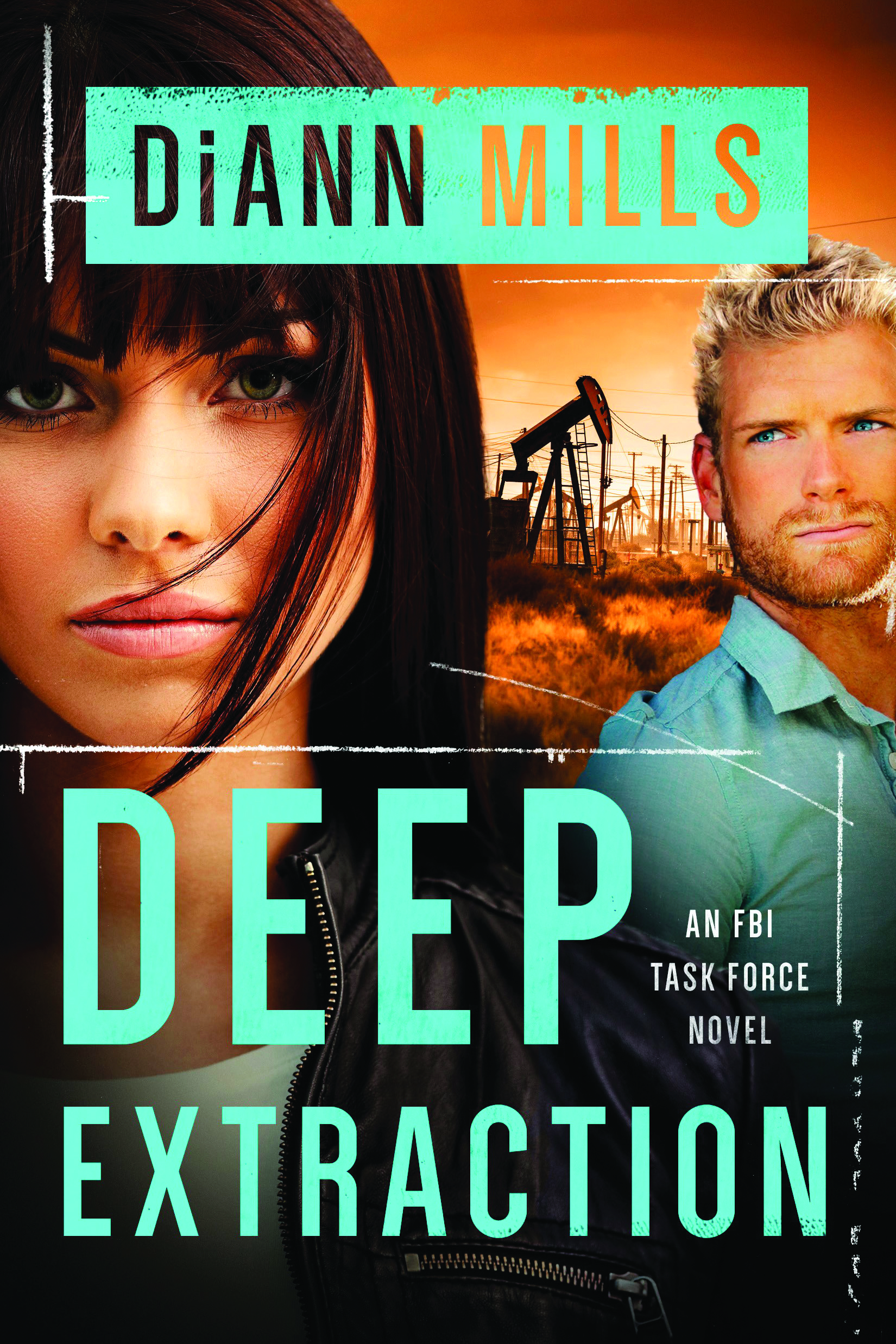
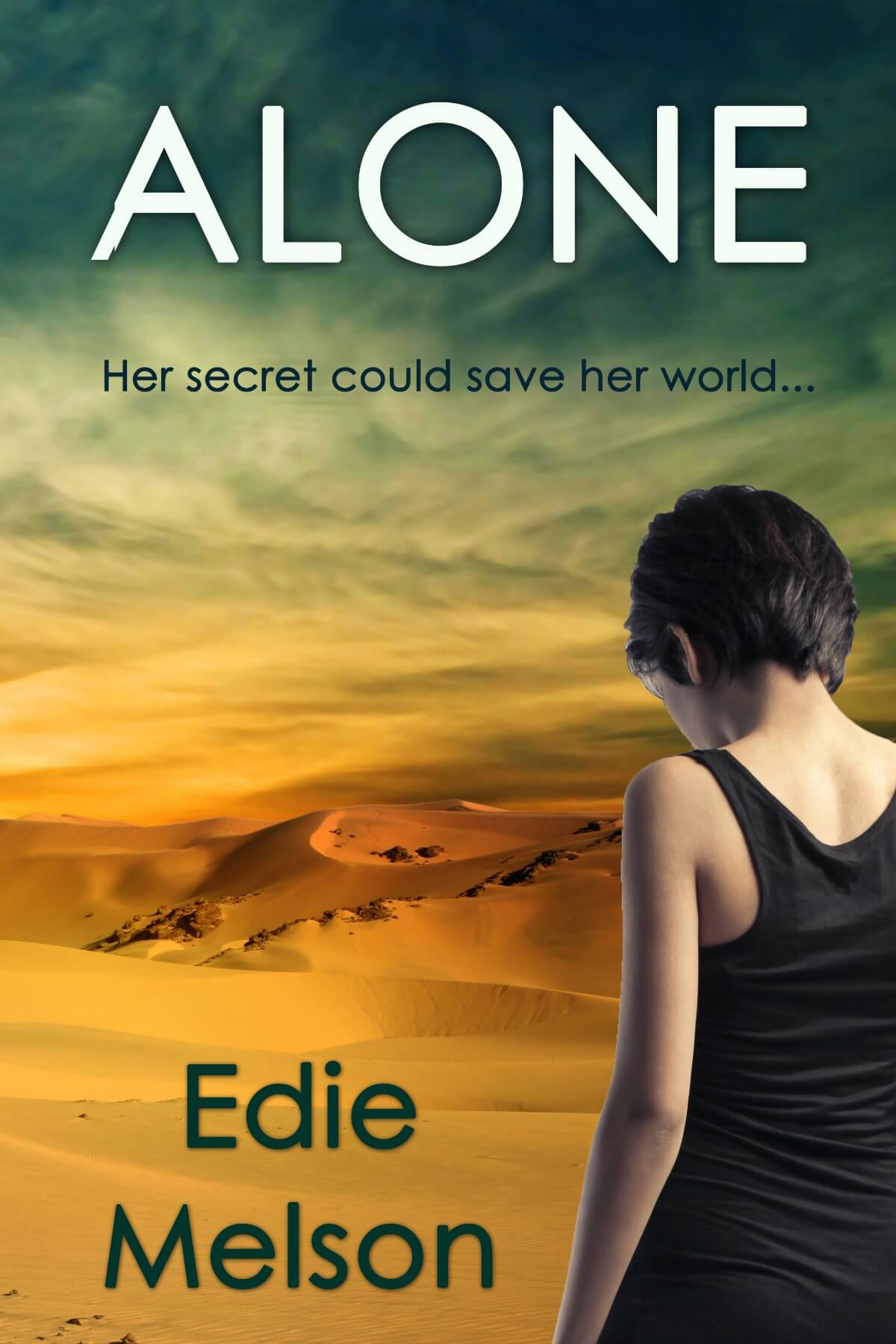
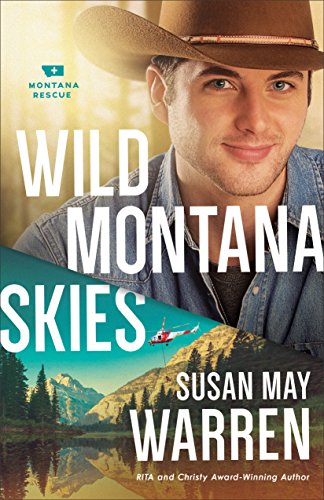
10 Standout Christian Fiction Book Covers

By Mike Duran

While a good book cover doesn't make a book "good," it can sure leave an impression. I recently perused the
AIGA Book Design awards and found myself lamenting the absence of inspirational fiction titles. So I turned to the Evangelical Christian Publishers Association. Yet the ECPA Book Cover Awards appear to focus largely on non-fiction titles (and there are some really good ones). The lone fiction title in 2007's finalists was Bethany House's, The Dead Whisper On. Surely there must be more than one good Christian Fiction book cover! It launched me on a bit of quest.

So after endless Amazon surfing, hours wandering the local chains, I have compiled 10 Standout Christian Fiction Book Covers. Disclaimer: The following selections are not part of a scientific survey, nor am I employed by a publisher or marketing firm (although, for a pittance, I can shill with the best of 'em). These are my personal faves. The list is unordered, and I think representative of some of the better book covers in religious fiction.


Foreboding. Mysterious. But the name Adam conjures other images. Was the bridge of a nose ever so suggestive? Dekker does black. Again.


Masts, maps and vast blue. Looks like it was pulled out of a moldy chest along with some doubloons and a cutlass. But what's a Firefish?


Splash! Red on blue's a winner. But what about those little hands...


This is one of my personal favorites. The eye is drawn to that clamped, compressed, cranium. But what's going on inside it?


Beautifully minimal; word and image complement each other. And the cat's tail even serves as an exclamation point.


Sepia sky and water silhouette, drawing our interest toward the horizon. But what are they looking at?


Conjuring a confluence of questions. What's the pedestal for? Did that woman leave it? Or is she taking center stage? Maybe my favorite of the bunch.


Blues and blacks! Two levels of intrigue -- the broken glass and the man behind it. This cover seizes your attention.


The "star" part is obvious, but the "dark"? Our eye is drawn upward, but the face is just out of reach. Evokes the best -- and worst -- of rock.


Whimsical, pink and neon green. This is a superhero unlike one we've seen. And there's so many curves...


So that's my ten best. There was actually quite a few to choose from. Some other notable covers were...


Whaddya think? Any of these your favorites? What other Christian Fiction book covers have left an impression on you, and why?

Sunday Devotion-Beyond the label

Janet Rubin

Last month on Earth Day, I purchased a whole bunch of those reusable canvas grocery bags at my grocery store. I promptly came home, took a picture of them, and posted the picture on my blog, announcing proudly that I was doing my part to save the planet. The next week, when filling out a scholarship application, I had to answer a question about whether or not I thought it was important to be environmentally responsible and why. I wrote my mini-essay with passion and not feeling the least bit hypocritical- I mean hey, I was the proud owner of reusable canvas grocery bags after all, wasn't I?

So, a month has passed. I've gone shopping quite a few times. The thing is...I haven't used those fancy bags even once. I keep forgetting to bring the things with me! So on I go, contributing to the plastic-problem. Some environmentalist I am. Al Gore would be dissapointed in me.

It's easy to slap on a label. It's harder to live the life. Most of us hanging out at Novel Journey call ourselves writers. I tell people all the time, "I'm a writer." But the truth of the matter is, I really don't spend much time writing. Not seriously writing anyway. Sure we go through dry spells, periods of writer's block, hectic times when other things are a priority. But in order to truthfully say, "I'm a writer," there should be, over time, some sort of consistent writing going on in our lives.

My most important title is Christian. Lots of people call themselves Christians, but then rarely think of God or His leadership in their lives. Me too at times.

What good are earth-friendly grocery bags left at home? How does a writer who never writes anything share his or her gift with the world? And what good is a Christian whose label is nothing more than... a label?

James 1: 26-27 Anyone who sets himself up as "religious" by talking a good game is self-deceived. This kind of religion is hot air and only hot air. Real religion, the kind that passes muster before God the Father, is this: Reach out to the homeless and loveless in their plight, and guard against corruption from the godless world. [The Message]
Lord, We sure need your help. I'm so glad you aren't a God who's just a talker. You didn't just say you loved us; you showed us- coming to earth in the form of Jesus, dying on a cross, saving us from sin and death. You walked the walk. Please help me to live authentically, to choose my labels carefully and take them seriously. You know I can't do it alone. And thank you for grace, which forgives me for wasting plastic bags and checking email more than I write, and forgetting You between Sundays. But I want to do better. Please help. Amen.

Labels:

Saturday, May 24, 2008

To Publish or to Blog

I find it interesting that some are giving their story away for free.

The non-profit ministry I work for is currently giving away free audio books of a Christian Allegory for young adults. They found the novel so powerful they decided to bear the cost of distributing it themselves. (If interested in a copy e-mail me through my profile.)

Apparently, we're not the only ones giving away a novel. This past week I found a Press Release stating that YA novelist Eileen Cruz Coleman is posting her YA novel chapter by chapter on her blog (http://www.sweetwateramerican.com). The novel landed a New York agent and toured publishers but without snagging the deal. While she works on another book, she’s giving away her novel.

"It's definitely not without risk. People may hate my writing. But hey, there's no point in spending months or years writing a novel if no one is going to read it," Cruz Coleman said. "The first three chapters are up and I am not looking back.”

When you add in devices like Amazon’s Kindle and the Sony Reader, the possibility of completely foregoing the industry and distributing your book freely—certainly is becoming an option.

The record industry has seen many changes as artists started to go independent--record their own albums, put on their own concerts, and sell their own CD's.

YouTube is opening doors for people to get their own following, regardless of whether or not they are on television.

New software allows people to become Graphic Designers, Film Producers, Engineers and Producers who years ago couldn't have done it without schooling.

So, who's to say someone can't give away their book and get a following before publication?

And yet, I still can't help but to think if you believe in your novel that much, why not fight for it? If it's that good . . . there's gotta be someone willing to publish it.

What do you guys think? Would you give away your novel for free?

Friday, May 23, 2008

“Postcard from the Edge,” Guest Blog by Kimberly Stuart


Kimberly Stuart is the author of the Heidi Elliott series, Balancing Act (NavPress, 2006) and Bottom Line (NavPress, 2007). Her third book, Act Two: A Novel In Perfect Pitch (David C. Cook), releases nationwide May 2008.


“Postcard from the Edge”


Dude. You people are motivated. I’ve followed your posts. I’ve read the archives. And you are no group of literary slackers. You write, you publish, you read, you edit, you respond thoughtfully to each other, and you eat balanced meals. Me, too. Totally.
But on the off chance that someone out there in Novel Journey Land is having difficulties writing today or this week or thus far in 2008, I’m Kimberly Stuart and I’m here to encourage, one writing ragamuffin to another.

My novel, Act Two, releases May 1, 2008. It represents a hearty helping of take-out, questionable hygiene, and dastardly inattention to important things childcare. I’m not trying to be melodramatic. Rather, I merely want to give a snapshot of what the Stuart home looked like in the months Act Two was being birthed. Perhaps this postcard from the edge will prompt you to take your own hand-printed journey toward finishing your work-in-progress.

First, I did not wear an ascot, sip sherry, and listen to Vivaldi by a roaring fire. Three books into this writing life and I’m still disappointed most of my work occurs on my couch with a cranky laptop, my eyes darting to the clock to make sure I don’t miss my daughter’s preschool pick-up time or forget to retrieve my son from his nap. No ascots, just jeans and shirts that may or may not contain a dazzling imprint of our lunch menu. (See above for nutritional information.)

Second, I worked for 1000 words, then shut my laptop in triumph and walked away. The word count is not the issue here. To each his or her own when it comes to output in a given day. But the benchmark is key. Fighting the urge to stare out the window at that fascinating elderly woman in a blue plastic headscarf who appears to be tap dancing in her front yard will, in fact, force you to write your novel, bit by bit. When the words are down for the day, reward yourself with head scarf intrigue, but not one scintillating verb before.

Third, I took a research trip. This was the first time I’d traveled with the express purpose of entering the world of my character and I must say, my next novel will place inside a spa in Fiji. For Act Two, I spent some time in New York, soaking up my surroundings, walking, eating, wandering in my protagonist’s “shoes.” Upon returning home, I filled in the gaps of my trip by quizzing mercilessly friends who live in Manhattan. The time I spent in my character’s stomping grounds, however, added authenticity and flavor to my story. Money and time well spent (and gloriously tax deductible!).

Finally, I took time away from the manuscript after it was finished but before submission. Stephen King writes about the value of this in On Writing. Sometimes deadlines don’t allow for this indulgence, but I cannot emphasize enough how the book and I both benefited from time apart. For me, this meant four weeks of “writing silence” before tackling a nitpicky edit. The result was a much cleaner submitted manuscript, which allowed my editor and I to dissect the arc of the story, character depth, sharpness of dialogue in a less hurried fashion. Something about that absence making the heart grow fonder… It was true of Chad White at junior high camp and it’s true of our writing.
Godspeed to each of you in your writing adventure! May you shower regularly, laugh often, and remember to show yourself grace now, worry about eating your vegetables later.

Thursday, May 22, 2008

Creating Character by Jane Kirkpatrick

Most of my novels are character driven, only in part because they’re often based on the lives of actual people. The word Character comes from the Greek and it means “to chisel.” That suggests that it’s what’s left after we’ve been gouged out that is our enduring character. That’s true of our fictional characters as well. They need to be “gouged” out but in ways that are believable and congruent for the reader.

The book Structuring The Novel by Meredith and Fitzgerald, has been a huge help to me. Those authors ask three questions that I answer before beginning a work: What is my intention? What is my attitude (what do I feel deeply about)? What is my purpose or how do I hope a reader will be changed by reading this work? I spend hours writing answers to those questions and try to get the answer to each down to one sentence that I then type and put up on my computer, to help me remember why I began this project when I start to feel lost in that muddle in the middle. Almost always the answers involve a character who is trying to do something, accomplish something, act on their environment, want to make a change.

After I do that work, I begin with a motivational exploration of my character. What is her/his desire? What do they want in this story? Why are they here to share their lives with readers? A character has to want something badly and hopefully something important. I write down as much as I can about what I think that character might want hoping to come up with one main desire.

Characteristics are secondary to me. Most of us remember Scarlett O’Hara in Gone with the Wind. We remember her little 18 inch waist (characteristic) or the way she said “Fiddle dee de” flipping her hair with her hand (characteristic). But the reason she and that story is memorable is not because of her unique descriptors, but because the most important desire in her life was to save Tara. Everything that happened to her after that was a barrier to her desire. Along the way she had other desires, to marry someone, to help birth a baby, but always the driving force was her desire to save the land. If only Rhett Butler had paid the taxes when she asked…well, the rest is history. And fiction.

So I highly recommend spending pre-writing time considering what your character wants. Maybe he doesn’t even know for certain what he wants and that’s fine. But as the author, you need to know what he wants. Angie Hunt says to think of the desires as having one internal and one external desire. I like that. It’s also useful to think of something tangible that the character can hold or reach that is a symbol of that desire that will be accomplished at the end of the book. That way the reader can cheer along with the character when they’ve achieved their goal. Awakening the Heroes within By Carolyn Pearson and A Writer’s Guide to Fiction by Elizabeth Lyons are both great sources to explore mythic desires of characters with lists included of well-known novels and what those character’s desired.

Then I have to imagine various barriers that will get in the way of that character’s desire and in the process “gouge out or chisel” their character. Asking questions such as what would the character lie about in order to achieve their desire? What do they most fear? Who would be the most helpful to them? Why might they resist that help? How can the worst thing that just happened to my character be turned into the best thing that happened? The questions will help move the narrative but also deepen the characterization of your protagonist.

In my latest book, A Mending at the Edge, Emma wanted a house, a home of her own in which to raise her children inside a religious colony. She did get what she wanted but there were obstacles and along the way she discovered she really didn’t so much need or want that structure as much as she wanted her family to be reunited whether in her own house or in another. An internal desire was to feel as though she belonged to a family and the story is also about how she came to love the people of her community as she was able to contribute to them despite earlier disappointments with them. The challenges she faced helped (I hope) chisel out her desires. She had to change to achieve them, experience grief and trouble, but in the end, she triumphed.

Often as I’m writing, there’ll be a metaphor that arises that can also help the reader experience the trials and triumphs of the character. Those metaphors can’t be forced, they just seem to come out of the writing and the author’s comfort with the character and the storyline. But they’re very useful in deepening the emotional connection with readers and are very helpful during revisions. The word metaphor is also Greek and it means “To change, to transform.” They say in Greece that the moving vans are labeled with “Metaphor” on the side. Ultimately, that’s the purpose of fiction, I think, to move people, to get them to consider new ideas, to feel deeply about something, maybe even to take action at some later time. I love it when people tell me they’ve read one of my books and then they’ve planned a trip to go to the places of the story and “walk where Emma walked” or where “Marie once lived.” That tells me that the character became real for them and hopefully offered something to consider for the reader’s character as well.

Spending time considering our own desires is always a good use of an author’s time. And one of my favorite Proverbs says Desire realized is a sweetness to the soul. We all have desires and by naming them, we increase the likelihood we’ll achieve them. Madeline L’Engle once wrote that we are named by the choices we make so if we want stronger characters, we need to name their desires. Our readers will appreciate that we did. Jane Kirkpatrick, http://www.jkbooks.com/

Wednesday, May 21, 2008

Michelle McKinney Hammond ~ Interviewed

Michelle McKinney Hammond, a writer, singer, and speaker who focuses on improving love–driven relationships, is the founder and president of HeartWing Ministries as well as the co-host of the Emmy–nominated show Aspiring Women. Michelle is the bestselling author of The DIVA Principle®, 101 Ways to Get and Keep His Attention, Sassy, Single, & Satisfied, Secrets of an Irresistible Woman, What to Do Until Love Finds You, A Sassy Girl’s Guide to Loving God, and The Power of Being a Woman.


Time to crow: What new book or project do you have coming out?


My newest project is my second novel entitled “Playing God.”

You've written 28 books of non-fiction and two fiction books. How does writing fiction compare for you?

Fiction is an entirely different animal! With self-help or non-fiction you know where you’re going and can basically plot your course per your outline and the points you want to make. In fiction the characters come alive and take over as you go along so even I was surprised by the time I got to the end of the book. It’s a bit scary, talk about losing control, which is a feeling I don’t necessarily like!

How did you come up with this story? Was there a specific 'what if' moment?

I was just thinking one day what a mess we make when we don’t trust God and literally take our lives back into our own hands instead of waiting for and following His instruction for our lives. The different situations that arose popped up as I went along. There are several ‘what if’ moments where the characters have the chance to do the right thing. Tamara has the opportunity to continue to choose purity? Jamilah comes to a crossroads with letting go and trusting God to work out her situation and that’s just two of the dramas in this book.

Every novelist has a journey. How long was your road to publication? How did you find out and what went through your mind?

It was already contracted before I wrote it. Harvest House felt it was time for me to do a follow up after my first novel “The Last Ten Percent.” It took me about six months to complete the manuscript and another three months to do the edit. My publisher was patiently waiting for it, they are such nurturer’s.

Do you ever bang your head against the wall from the dreaded writer's block? If so, how do you overcome it?

I don’t bang my head against the wall. I stew… as in germinate. I find something fun to do that totally takes my mind off of it and then I get a spark and return to it. I’m never hard on myself because I’ve learned that if I get stopped it’s because I haven’t heard or experienced something that I need to draw from to finish the piece so I wait until I do and then I move on. It happens every time.

Novelists sometimes dig themselves into a hole over implausible plots, flat characters or a host of other problems. What's the most difficult part of writing for you?

Because it was a totally different experience that I couldn’t control, I would find myself stopping out of panic. As I became more aware of how the process worked, I let go more and then I would find myself in a rhythm, so I would have to say the most difficult part of writing a novel for me is letting go and allowing my characters to tell their story.

Also I don’t like anyone to suffer (smile) so I have to concentrate on not bailing them out of their problems too soon and not tying up all their struggles with neat little bows. Lets face it that’s real life, sometimes there are happy endings and sometimes there aren’t.

How do you climb out?

As far as plot goes you have to be cognizant of the big picture message. That will keep you on track and moving forward. Then be willing to let the story unfold and go where it must in order to take your reader on a journey that will hopefully not just entertain them but engage them and teach them a life lesson along the way. I am always returning back to my point to keep myself on track.

Where do you write: In a cave, a coffeehouse, or a cozy attic nook?

On my bed early in the morning between the hours of 2-6 am and in my office in the late afternoon. These are the times I get my spurts of creative energy.

You're an author, speaker, singer, and TV co-host. What does a typical day look like for you? Are you able to switch hats easily?

There is no typical day! The only thing that never changes is I have to walk my dogs. Other than that I am not a morning person because I work late into the evening or early in the morning and then go back to sleep so my engines don’t really kick in until about noon unless I have morning radio interviews.

After that a host of responsibilities await me from writing, to following through on details in my office, preparing for a speaking engagement or a taping, answering emails, brainstorming an event for my ministry… whew! You name it I’m doing it!

Some authors report writing 5-10 thousand words a day. Do scenes flow freely from your veins or do you have to tweeze each word out?

I write an average of five to ten pages a day. Once I get in a flow words come pretty easily to me. If I get stuck I go back and read what I’ve written. That usually gives me the impetus to continue past the point I got to when I stopped.

Briefly take us through your process of writing a novel—from conception to revision.

I usually get the concept in a title. Then I begin to get a vision of my characters and their dilemmas. That is usually all I have when I first begin. The first five chapters are usually the time when I am “painting” as I like to call it. This is where I acquaint my readers with the characters and lay the foundation for everything that is about to happen.

After that I write a sentence about what is going to happen in every chapter to give myself a roadmap moving forward. I don’t know what else is going to happen or why but I have the basic direction of where I’m going. As I get that particular chapter the character then takes over and tells its story. I reread the chapter when I’m finished add flourishes if I got bored or additional information that I think will help the story.

When I’m finished I close my eyes and send it off to my editor. They send me back their overall comments, directions for improvements and questions where they didn’t understand what was happening? I especially like that part because if they didn’t get it that means someone else won’t either. That lets me know I need to elaborate and clarify so the reader isn’t left guessing.

After I’ve made my changes and fixes it goes back to the editor. After they give it the okay a copy editor takes over to find anything we may have missed. After that round it goes to the galley stage. That is the actual printing of the manuscript. I read through it again to check for errors or anything else that is screaming at me for a fix and then off it goes for its final printing. The next time I see the whole thing it’s wrapped beautifully in its cover and hopefully in the hands of a captivated reader.

What are a few of your favorite books (not written by you) and why are they favorites?

Anything my Francine Rivers, but especially her Mark of the Lion series, “A Voice in the Wind,” “Echo in the Darkness” and “As Sure As the Dawn.” Just juicy! That’s all I can say. Her writing takes you on a ride that you don’t want to end even after the story is finished. I want to write like her when I grow up. Also “Blue Like Jazz” and “Searching for God Knows What” by Donald Miller. Pure genius, lyrical, funny, deep and profound… definitely food for thought that resounds with my heart. I think I have a crush on him.

What’s the best writing advice you’ve heard?

Never assume your reader knows what you’re talking about. But don’t assume they are foolish either.

What do you wish you’d known early in your career that might have saved you some time and/or frustration in writing? In publishing?

I have to say I’ve been blessed in my experience with writing as well as publishing. I say find a home you’re happy in and stay there. It’s important to have a good support system when it comes to entrusting someone with what you write. You want them to be excited about your project and promote it. After all at the end of the day you want people to read all those words you bled for.

Be careful not to over commit yourself is the one thing I would warn any writer about.


It is difficult to write when the joy is gone or you’re writing something outside of your calling or expertise. Always write what resounds in your heart.

How much marketing do you do? What have you found that particularly works well for you?

I do a lot of marketing between my publisher and myself. Of course there are the radio and TV interviews. I also do e-blasts online and run promotions on my website michellehammond.com. I am hosting a tea party book club event to launch “Playing God” in a couple of cities. I feature my books when I speak. You have to do the work and create the buzz if you want your book to make it.

Do you have any parting words of advice?

So many people say they want to write a book. If you choose to write a book it can’t be about the money because the average author doesn’t make that much. It has got to be because the words in your heart are like fire shut up in your bones and you feel you won’t be able to breathe until you get them out. Your writing has to be birthed from a passion to inform, help and heal people otherwise it can be hard work. It has to be a calling you were created for as opposed to a chosen profession because it requires a special grace from God. The bottom line is writing can be a very lonely profession, but so totally fulfilling the hours of isolation become a faint memory because the reward is so great… kind of like childbirth I’ve been told.

Monday, May 19, 2008

Interview ~ Megan DiMaria


Megan works in the marketing department of an upscale Denver portrait photography studio. She is also a freelance writer, crafting magazine articles and advertising copy. Her second novel, Out of Her Hands, will release from Tyndale in October 2008.


Time to crow: What new book or project do you have coming out?


I’m thrilled that Searching for Spice is now available, as they say, “everywhere books are sold.” Searching for Spice tells the story of Linda Revere, a married woman who decides she wants to have an affair—with her husband. As usual, life doesn’t go according to plan, but throughout her journey to a sizzling marriage, Linda learns some valuable lessons.

How did you come up with this story? Was there a specific 'what if' moment?


Searching for Spice was written as a response to a running joke I had with some girlfriends. You know, despite being long married, women still want romance in their lives. God hard wired us to crave closeness and a special connection with the men we love. Unfortunately, some times we need to remind them of that.

Every novelist has a journey. How long was your road to publication? How did you find out and what went through your mind?


In one sense, my road to publication was decades long. I first knew I wanted to write when I was in elementary school. I’ve always loved words and got my degree in Communications. Many years later, as a new mom, I went out and bought pens and paper (yes, it was about 26 years ago!) and sat down and prayed about a writing career. God clearly told me that was not my season to write a novel. In the early 1990s, I worked as a freelance writer and stringer for a local newspaper, but I still yearned to write a novel. In 1995, I prayed again and got the go-ahead. I began to write my first novel, completing it in 2001. Of course, it was awful. But I didn’t know that until I started getting more involved in the industry.

In 2001, I joined ACRW (I’m member # 94) and attended my first writers conference, the Colorado Christian Writers Conference in Estes Park, Colorado. Although I didn’t do a lot of writing in the next few years, I maintained my ACFW membership.

In 2004, I decided to make a solid effort to become published. I continued to attend conferences, CCWC and ACFW in 2004, 2005 and 2006. I joined a local writers group and an ACFW critique group. I studied books on craft, hung out with other writers and wrote and wrote and wrote. Oh, I also submitted and received rejections.

I started writing Searching for Spice in early 2004 to enter it into the ACFW Noble Theme Contest (now called the Genesis Contest). I would write and then ignore the story for months and then write a bit again. I was 99% finished with Searching for Spice when I went to the 2006 ACFW conference. During the last meal of the conference, I sat at a table hosted by Tyndale’s acquisition editor Jan Stob. Because of that unplanned meeting, she requested a proposal. I had five requests for proposals as a result of that conference. I went home, finished writing the story and sent out my proposals in October. I immediately got four rejections. A few months later Jan requested a full manuscript, and I got “the call” in March of 2007. I was at my day job when she called, and I actually jumped for joy.

Do you ever bang your head against the wall from the dreaded writer's block? If so, how do you overcome it?


I get frustrated at times, but the best way for me to overcome writer’s block is to push through it. I may run an errand or take a walk to let an idea percolate, but I can’t run away from the problem for long. Unfortunately I don’t believe there’s a magic answer. My solution is to simply work at it.

Novelists sometimes dig themselves into a hole over implausible plots, flat characters or a host of other problems. What's the most difficult part of writing for you (or was when you first started on your novel journey)?


I’m an intuitive writer (that’s my professional term for SOTP), and writing is a journey of discovery. Fortunately, it’s not often that I write myself into a corner.

How did (or do) you climb out (overcome it)?


When I realize I’m going in the wrong direction, I’m able get back on track without too much trouble. Usually I haven’t written myself too far into the corner. It always helps me when I realize I can trust God to give me more words when I have to delete “unusable” words. One of my first prayers for myself as a writer was for God to bless me with words. Sometimes I envision them raining down on me. It’s a wonderful image.

Where do you write: In a cave, a coffeehouse, or a cozy attic nook?


I write on a laptop, so I can pretty much go wherever I want. If the weather’s nice, 90% of the time I’m sitting outside on my shady patio. Inside, I bounce between the kitchen, living room, dining room and my bed. I’ve been known to write in a local tea café, Panera Bread and my all-time favorite quirky place, Grease Monkey.

What does a typical day look like for you?


I usually pray before my feet hit the floor. I have breakfast with my husband and two days a week, rush off to my day job. On Tuesdays, I go to Words For The Journey Christian Writers Guild. On my other days, I try to get to the keyboard by 9:30, but I don’t have a very structured work day. Most evenings I spend some time at the keyboard as well.

Some authors report writing 5-10 thousand words a day. Do scenes flow freely from your veins or do you have to tweeze each word out?


I can usually write about 1,500ish words a day without being stressed out. If I write 3,000 words, I’m happy.

Briefly take us through your process of writing a novel—from conception to revision.


My stories are character driven. I start with a feeling or goal that my character is experiencing. In Searching for Spice, my initial “feeling” was when Linda was kneeling on the floor, scraping cream cheese off her carpet and longing for a more exciting life. Of course I had to write a few chapters to lead up to that epiphany. I work my way through the novel adding one complication after another to prevent my characters from reaching their ultimate goals.

What are a few of your favorite books (not written by you) and why are they favorites?


When I was in college, I had to read Forever Amber for a course I was taking. I recall freaking out because it was soooo looong, but once I started reading, I couldn’t stop. That book totally transported me to another world. It was 900+ pages long, and it’s been called the first historical romance. It was written in 1944, and I haven’t read it since the 70s, but I still recall the sensation of sinking into the life of another woman. Wonderful. Another of my favorites is Redeeming Love by Francine Rivers. I felt the heartbreak of Michael as he tried to love Angel, and I experienced Angel’s joy when she accepted that love. I also enjoy books by Maeve Binchy, they take me into a world I want to visit again and again.

What’s the best writing advice you’ve heard?


The best advice I chose to take to heart is that writers don’t fail, they quit. I believed that if I put my head down and took a good run at being published, I might succeed. My version of doing this was to read books on craft, attend conferences, read, write, hang out with writers and join a critique group.

What do you wish you’d known early in your career that might have saved you some time and/or frustration in writing? In publishing?


I wish I would have joined the community of writers sooner. I wrote for a few years before I even met another author. I think part of the problem was that I was timid about publicly acknowledging that I was a writer. I was afraid people would laugh or ask, “Who do you think you are?” It almost seemed too lofty a goal for me. But after I started hanging out with other aspiring writers, I began to believe that I could reach my goal of being a published author. I think it really helps your career to spend time with other writers. They are a tremendous source of encouragement, education and support.

How much marketing do you do? What have you found that particularly works well for you?


I’m always looking for marketing opportunities. My day job is in marketing, so I’m always thinking of ways to increase awareness of my books. I have a website and a blog. I always carry around bookmarks and am not timid about passing them out. I’ve cast a wide net in my marketing and I’m not afraid to try something new.

I’m one of those people who have stayed connected to the people I’ve met through the years. Those connections are now helping my career. A friend I had when we lived in a small town in Pennsylvania in the 1980s is now manager of a Christian store. I found out last week that not only did he stock my book, but he called the women who used to be my friends and hand-sold the book. My husband and I met while both working at the same radio station in the 1970s (I was the six to midnight newsperson and he was the disc jockey who went on the air at midnight). When I got my contract, I emailed an old radio friend who’s doing a morning show in Albany, NY, and he agreed to interview me on the air. My first job in publishing was as a 17-year-old intern for the local newspaper. I dug up an old newspaper clipping with my photo from that time, scanned the image and sent it to an editor of that paper.

I hosted a book/career launch party and invited every writer, editor and literary agent I know, as well as some I’ve never met. I invited representatives from every bookstore and library within a 20-mile radius of Denver. I invited editors of local magazines and newspapers that I’ve written for. I understand that the book launch is more about generating publicity than having fun with family and friends, so it was held it in one of the coolest venues in Denver, in hopes that some folks would come simply because they want to be in the historic D&F Tower overlooking the city.

I mailed out influencer books to celebrities who I think may be intrigued by the concept behind my book. I’ve donated the opportunity to name a character in a contracted book to a non-profit organization’s silent auction, and I’ve put an article about my book in the newsletter published by my employer. I’m having a book movie trailer created that will be available online. I join online communities to network. I joined classmate.com and have had many hits on my profile because I post photos. My husband is connected with Christian radio, and I arranged for an air personality to do a 30-minute interview that is airing on several stations. I’m creating some 30- and 60-second radio commercials that will air on those stations. I compiled a fairly comprehensive media list, and I sent press releases and requested interviews in newspapers, magazines and on local television and radio. Our county library district director hosts a community cable TV show about local authors, and I’ve contacted him to be a guest on the program.

I schedule book readings and book signings. I’ve offered to speak to school children and adult study groups. I speak to local writers groups. I’ve lined up appointments to speak to local book clubs after they read Searching for Spice, and I schedule telephone conference calls with long-distance book clubs.

Another thing I think is very important is to present yourself in a professional manner. Before I ever got my contract, I purchased professionally designed business cards. I put my image on the card, and that image was created by a professional photographer. As soon as Tyndale designed my book cover, I had a graphic designer create a bookmark and printed them myself. I also had professionally designed invitations for the book launch. I could go on and on. I have more ideas than time to implement them—but I’m going to try to do the best I can. I believe the enthusiasm I have for marketing and the ideas I generate about possible marketing campaigns is one of the qualities that made me attractive to my publisher. As writers, we can’t sit in our study and generate words, we also need to get into the community and generate publicity.

Do you have any parting words of advice?


Yes, write regularly, read regularly, join a writers group or two, hang out with writers, have your work critiqued and attend conferences if you can. I confess, many times in my writing journey I was tempted to throw in the towel. But the moral of the story is, don’t give up. Hold on to your dreams. Press on. Trust God.

YA Author Interview ~ Gary Schmidt

Gary Schmidt is the author of The Wednesday Wars, which won this year's Newbery Honor, as well as Lizzie Bright and the Buckminster Boy, another Newbery Honor book. He is a professor of English at Calvin College in Grand Rapids, Michigan.


Tell us about your current project.


The new book is called Trouble, and it tells the story of a kid who, because he is wealthy and well-connected, believes that he is absolutely immune to trouble—because everything in his experience tells him that he is. He is paired with a kid from Cambodia (it is 1978) who is newly refugeed, and who has lived his entire life with nothing but trouble. The story is about their journey together.


What are the highlights of your journey to publication?


I heard about the first contract for a book titled The Sin Eater when Virginia Buckley called me during office hours during an advising day at Calvin College. I had had about fifty calls that day, and so picked up the phone expecting it to be another student—and was amazed when it was Virginia. I was stunned, to say the least. That began our long relationship.


Why do you write for young people?


A difficult question. On one level, you write what you like to read. I also write the books I would have liked to have read when I was younger. But most importantly, I write to young people because I want to suggest the wealth and beauty and glories of a world, when our culture seems to be settling for the cheap and glitzy and tawdry.


What fiction most influenced your childhood, and what effect did those stories have on your writing?


I read fantasies and myths when I was a child—and I don’t write any of those now. But I am interested in the heroic—what makes a character into a hero? In an age when we have no more heroes—we have only celebrities—that seems to me to be an important question to ask.


What prepared you to write for children?
.

Being a child.


Your novel, “The Wednesday Wars” won this year’s Newbery Honor from the American Library Association, your second Newbery Honor in four years. How has that award changed the way you write, market and live?


I’m not sure that an award such as this—which is indeed an amazing experience, for which I will be forever grateful—should in fact change the way I write and live. Isn’t the award, in a way, affirming those things? So why should it encourage the abandoning of them? I once heard Avi say that awards are wonderful and affirming when they come, but you have to go on and write what you are supposed to write, as if they didn’t exist. I think he’s absolutely right on that. Though, on the other hand, it is wonderful and amazing to receive this kind of affirmation and support from the writing community—and that must have an impact on you. It says, You’ve done well. Keep going.

.

What are a few of your all-time favorite books?

.

Lois Lowry’s The Giver. Christopher Paul Curtis’ Bud, Not Buddy. Katherine Paterson’s Bridge to Terabithia. John Christopher’s The White Mountains. Lloyd Alexander’s The Book of Three. Susan Cooper’s The Dark is Rising. Linda Sue Park’s A Single Shard.

.

What’s the best or worst advice (or both) you’ve heard on writing for young adults?
.

Best advice: Read, read, read, read, read everything.
Worst Advice: Write what you know. That’s too limiting. You write what you are desperate to know.

.

What is the first thing you do when you begin a new book?
.

I have to figure out the voice of the narrator—whether it’s first or third person, how limited it will be, how idiosyncratic it will be. I have to hear that voice before anything else—certainly before plot comes. That voice will then tell me a great deal about the character, and about how the book will picture that character.

.

You spoke at Calvin College’s Festival of Faith and Writing this past April. When leading workshops, what is the primary idea you want writers to walk away with?
.

That writing is hard work. Too often there is this sense that there is a magic formula, and there isn’t. The only formula I know is that offered by Jane Yolen: BOC—Butt on chair.

.

Do you have a favorite quote related to writing?
.

“There are no laws for the novel. There never have been, nor can there be.” Doris Lessing.

.

What aspect of a story is most challenging for you: strong setting, vivid characters, engaging voices, delicious prose? How do you develop your weak areas?

.

Well, all of those. It takes me about a year to write the first draft—sometimes more than that. I write slowly so that I can work on all of those elements at the same time, because none of those elements—for me—are divorced from each other. Setting has to respond to character has to respond to plot line has to respond to prose has to respond to setting. So I work very slowly so that the whole ecology of the novel is developed together.

.

Can you give us a view into a typical day of your writing life?

.

I work on three projects at a time—all at different stages of development. I do two pages—about 750 words—on each project each day. I work in a study outside of the house, with no phone and a woodstove for heat, surrounded by books and books and books. And I work at a typewriter—a 1953 Royal, with lots of scrap paper that I can burn.

.

If you could choose to have one strength of another writer, what would it be and from whom?
.

I would want to have Avi’s strength in creative memorable, vivid, amazing characters whose inner nature and outer appearance are so interestingly combined. I don’t know if he would enjoy this comparison, but I don’t think anyone has done this so well since Dickens.

.

What is the importance in today’s society for well-written books that boys can enjoy?
.

Huge. It’s too bad that as new technologies have come along, that these have replaced, instead of added to the possibilities for engagement with art. It’s reading, and not the quick video game, that presents the reader with questions that demand an answer. It’s reading, and not a Playstation, that helps someone to grow, to have more to be human with.

.

Your current work in progress is …

.

It will either be a western—which I have always wanted to try my hand at—or a companion book to The Wednesday Wars that follows Doug Swieteck. I’m working on both, and one will eventually demand full attention.

.

What piece of writing have you done that you’re particularly proud of, and why?
.

I suppose any writer, to be honest, is proud of each piece of writing. Each one represents a different battle, a different problem, a different approach. So it’s hard to compare any one work to another.

.

Do you have a dream, something you’d love to achieve with your writing?
.

I hope that I keep getting better. I hope that each novel is different. I hope that there will always be the next one to write, and that the same joy and pleasure and excitement in the writing process is always there.

Sunday, May 18, 2008

Sunday Devotion-Christa Allan

Christa Allan

God spoke to me this morning. Okay, not in one of those Charleton Heston burning bush in the middle of Paramount (or whatever) Studio kind of ways or my phone ringing with an unidentified caller ID. No, it was during my morning Bible study that I experienced one of those "aha" moments that could only be defined as God speaking to and through me because I'm just not that dern smart.

I woke up school-day early for a Saturday because Ken was leaving for an out-of-town-semi-business trip, and I wanted to be conscious when he kissed me good-bye. He increased the odds of that by bringing me a cup of coffee before I was fully vertical; you gotta love that man!
Anyway, after he left and after one of the cats threw up three times on the newly cleaned wood floors (I know, TMI), I snuggled into my reading corner with a fresh cup of coffee and my new
Women's Devotional Bible .

This morning's devotional was Philippians 1-4 and, in my reading, I'm stuck on this line about how--if I think differently from what I should be thinking, "...that too God will make clear..." to me. So, why that seemed so profound to me, I'm not sure. But, I felt reassured that God is busy fashioning just the lenses I need for my short-sightedness, and He's not going to let me wallow in my own stupidity. Of course, my brain knows He's God, and He knows that I know that He knows , but this morning it just felt so much more clear in my heart.

Anyway--that's not even the epiphany. What happened next was such a moment of clarity that it was as if God had angels on instant FedEx deliver a new pair of glasses. Paul talks about God transforming our lowly bodies so that they'll be like His glorious body (3:21), and I'm about to giggle thinking what a joy it will be to see my thighs transformed (assuming God is not built like JLo), when--SMACK--OUCH--WOW.

What if, Christa, you spent all the time, money, and energy on your spiritual body as you did on your physical body?

Time spent exercising, thinking about exercising, money spent on food and dieting and books about food and dieting, and energy spent on hair and nails, and then there's that whole cooking thing to feed the body, and do I really need to mention all the clothes issues?

How much of my life do I devote to a physical body, not even counting the emotional angst? God looks at me and sees Calista Flockhart or pre-mommy days Nicole Ritchie, shakes His head and wonders why I continue to ignore all that good spiritual food He makes available for me--and catch this--free.

If Bible study's my appetizer, then heaven's going to be the best cheesecake ever.

Labels:

Homepage for the The Good Book NetRing
<< Previous Next >>
Random Site
List All Sites
Join the Ring

Powered by RingSurf
The Good Book NetRing

Writer...Interrupted

Christian Writing Fellowship
Join | List |Home

<xBlogxPhilesx>