Get a Free Ebook

Five Inspirational Truths for Authors

Try our Video Classes

Downloadable in-depth learning, with pdf slides

Find out more about My Book Therapy

We want to help you up your writing game. If you are stuck, or just want a boost, please check us out!

Showing posts with label historical. Show all posts

Friday, May 26, 2017

Plotting with Passion

by Dawn Crandall, @dawnwritesfirst

Hello, my name is Dawn, and I am a Plotter. Of the first degree.

Even before I started to write my very first novel, which also became my award winning debut novel, The Hesitant Heiress, I'd tried out many plots in my "before writing" writings. It's just something I love to do, and as I've learned over writing my four published novels, it makes things easier in the long run. It might be partly because I write my historical romances from deep first person point of view from only the heroine's side. Because of this, I need to figure out all of the other associating characters just as well, and also make it so the reader will be able to get to know them as well as the heroine does as the book unfolds.

Monday, August 29, 2016

Hook ‘em Tight: One Technique for Writing a Book They Can’t Put Down by Author Janine Mendenhall

So you’d like to write a novel, huh? I can appreciate that. I want to write another one too. In fact, like you, I’d like to keep writing them from now on—a book a year, or maybe even two. But the thing is neither one of us wants to produce an ordinary piece. 

We both want to please our readers so much that they won’t want to put our books down, right?

That means we need to hook our respective audiences not only with an excellent story full of conflict-based tension, but most especially, where people normally think it’s time to stop reading.

So when do readers reach for their bookmark? (I’ll give you one guess.)

That’s it, at the end of a chapter!

Before I go any further, I need to give credit where it is due because, the truth of the matter is, I learned to write (and still am, by the way) by following Steven James’s directions in Story Trumps Structure and from other great Craft books written by James Scott Bell, Jack M. Bickham, and Jordan E. Rosenfeld—to name a few.

Now that that’s settled, let me share three ways to keep your readers reading. 

3 Ways to Hook Readers at the End of a Chapter 

(My examples come from my debut inspirational historical fiction/romance novel. Preview Starving Hearts at http://www.janinemendenhall.com/preview-starving-hearts/.) 

  1. Modify Your Thinking. The close of a chapter is NOT the end. It’s the beginning of your next scene, or one that will follow soon enough. Instead of tying things up in a nice little bow and losing the tension you’ve built up, create some suspense by leaving a string untied. 

Add an extra dose of tension in the language too.

These are the last three sentences of Chapter 2--Savior in Starving Hearts.

        At the far end of the gallery, she entered the deserted renovation area. Honestly, at the moment, she could not care less that it was off limits. 
       Opening the door of the first room she reached, Annette stepped in and lurched to a halt.

Did you see and feel that? 

The door opened, but we couldn’t see what Annette saw. The shocking word lurched created a touch of suspense, and the reader turned the page. 

Once the page is turned, we’re safe, as long as there’s a good hook waiting to catch the reader at the beginning of the next chapter.

  1. Create Nagging Doubt. Our readers have very quick minds. If we offer just enough information to create a slight imbalance, they will get the subtle hint and ask themselves “But did she?” (or a similar contrary question), and that will be enough to make them move on and find the answer.  

Here’s what I mean.

Read the last three sentences of the Prologue of Starving Hearts. See if you feel enough doubt to cause you to ask what I call a contrary question.

         Annette was too overwhelmed to care. All she wanted was Mother’s assurance that she would never see or hear of the fiend again. Mrs. Chetwynd agreed that was best, and she would personally see him immediately dispatched from the estate. And that was precisely what Annette believed Mother would do.  

Of course, readers don’t necessarily realize they are constantly scrutinizing stories as they read them. But did you recognize the subtle “But did she?” that came at the end of that sentence? 

My heroine, Annette, believed her mother would do what she said, but the fact that I wrote it this way caused you to doubt that her mother did what she said.

That nagging doubt is enough to keep the reader going, of course, it also makes a promise, and as Steven James always says, we need to be very careful to keep our promises to our readers. 

If we don’t, they will close our books and never read any of them again. (If you haven’t read Story Trumps Structure, please know, it is well worth your time, and Steven James isn’t even paying me to say this. ☺)

  1. Play Opposites Attract.  I cannot emphasize it enough. Our readers are very intelligent, and they often automatically predict what will happen next. We can take advantage of this brilliance by giving them something negative or scary to worry them without even putting it on paper.

Notice the end of Chapter 4—The Plan. 

You will automatically predict that the opposite of what I’m telling you is really what will happen next. And because that opposite is attractive in a negative way, it’s likely you’ll want to find out how bad things get for my hero, Peter.

Try it, and see what happens.

         Adjusting his evening coat again, Peter willed himself to move to the door. He had made his decision. He would propose tonight, and she would accept him. Then his life would begin, and all would be well.

It did happen, didn’t it? You predicted she would not accept his proposal and that things would not end well, right? That’s because you’re smart, just like our readers.

On that note, it’s time to say goodbye, at least for now. I hope you enjoyed this little lesson on 3 Ways to Hook Readers at the End of a Chapter so they can’t put your book down. Visit me and preview Starving Hearts http://www.janinemendenhall.com/preview-starving-hearts/ to see if I’m successful at keeping your attention. 

If I do, remember, the credit for Craft goes to those I mentioned above, but the real glory belongs to God.   “Whoever abides in (Him) . . . bears much fruit, for apart from (Him) you can do nothing.” John 15:5


Bio:

Janine Mendenhall teaches teens English, of all things! Sometimes she sleeps, but most nights she reads, writes, or watches movies like “Pride and Prejudice” and claims she’s researching her next book. “Splickety Love” and “Splickety Prime” have published her flash fiction. She and her husband, Tom, live in North Carolina where they and their two golden retrievers help gratify the needs of their five children and two cats.

Website


Wednesday, July 08, 2015

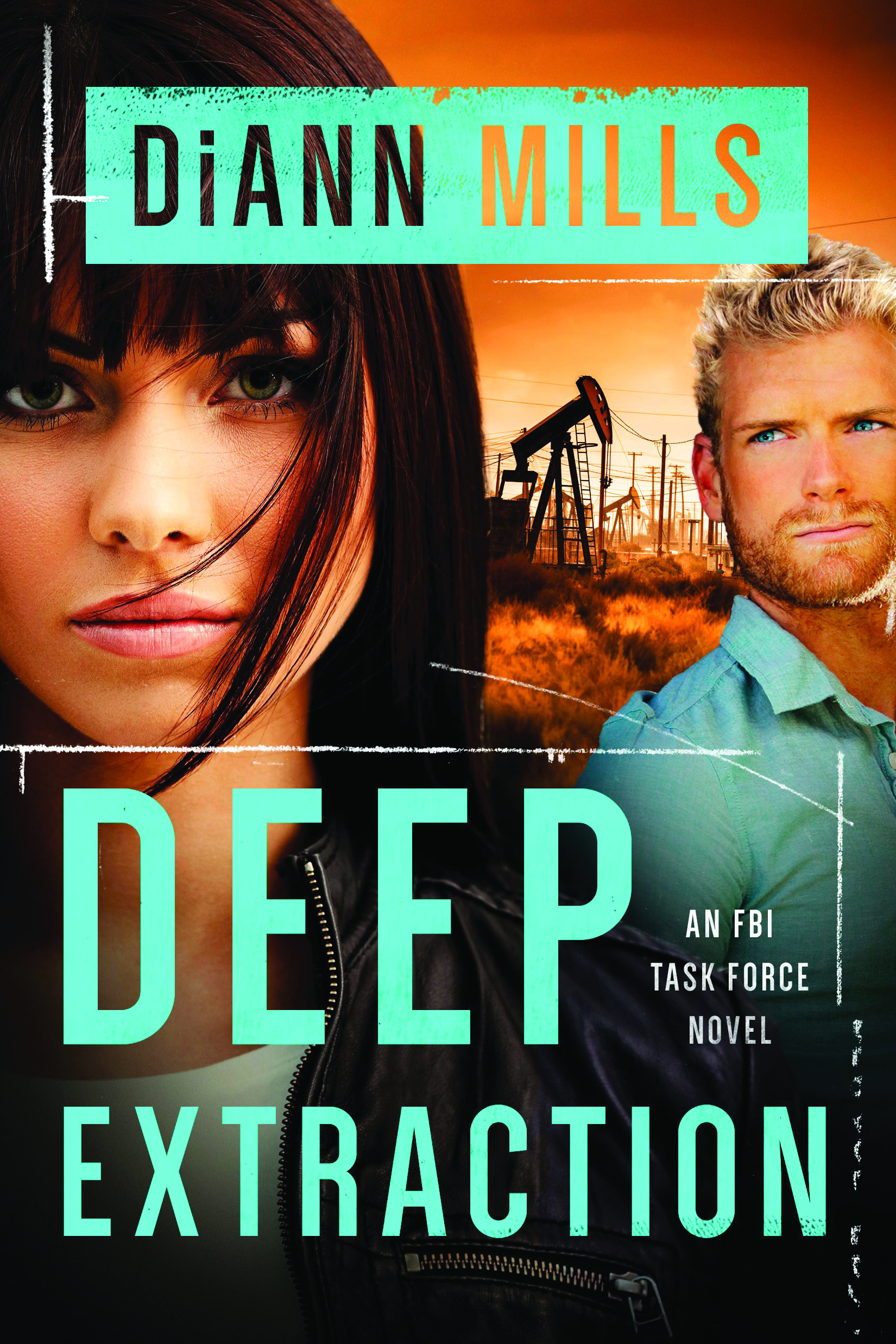
Hit and Run Emotions by DiAnn Mills

by DiAnn Mills @DiAnnMills

While driving back from the grocery store, I was hit by a truck and the driver took off. The emotions I experienced were shock, anger, and a twinge of fear. The latter one was probably because I write suspense, and my mind always goes into story mode. But the truth is, fear often results from the unpredictable and suspicions from those who harm us.

Are you guilty of hit and run emotions?
The same applies to the characters in our stories. What happens when a writer has a character encounter a traumatic incident and there’s no reaction? Or what happens when a character responds to a minor incident with drama-queen emotion?

Both scenarios can destroy a reader’s reality check and toss the reader out of the story. Future purchases from that writer are nil. Sad, but true. Not much opportunity for a second chance when there are so many writers competing for our attention.

To avoid hit and run emotion in our stories, we can take steps to ensure our characters’ reactions to events are met with responses that are in character, realistic, and slide into genre.

In Character
For credible emotion, we writers must thoroughly understand our POV characters. This means taking time to develop their personality, unique traits, and backstory. A character who handles anger by stuffing it may logically end up with an ulcer. A character who deals with anger by breaking noses may need anger management classes. The first key to overcoming inappropriate reactions lies in characterization.

Realistic

Many writers keep a journal of the happenings in their lives and how they reacted. It’s been said that if a writer is unwilling to seek resolution to life’s explosions, then the writer will never be able to write about those same emotions effectively.

Dramatic reactions to small incidents initiates skepticism in the reader, unless the writer is gifted in humor. Even those stories must be crafted with care. When a hero or heroine appears callused to tragedy, displays an absence of wit or logic, or is over-the-top in dialogue, readers no longer care about the character or the story.

Don't hit the reader with a drama queen!
Genre 
The many genres provide us an opportunity to show our stories through a variety of techniques. The criterion dictates the story world’s dialogue, culture, goals, setting, and symbolism. The seven universal emotions stated in Tonya Reiman’s,The Power of Body Language are surprise, fear, anger, sadness, disgust, happiness, and contempt. Every POV character experiences these emotions according to genre guidelines. Here are a few examples:

Contemporary: Today’s world is filled with instant information from various communication devices. Problems arise from dealing in a world where change is the norm. A character is continuously assaulted with situations that involve coping devices according to traits and backstory. Contemporary characters filter a whirl of happenings through their personal data bank of their past.
Historical: The past is known for its slower pace of living. Communication from local,
national, and worldwide events shape the future many times before the character learns about them. Culture and gender often dictate how a character receives and processes emotion.

Romance: Romance is an emotional adventure. This aspect of novel writing can be woven into any genre. A thread of romance invites a reader into a dreamlike world of fresh and breathless love.

Create emotions for your fantasy world.
Speculative:This genre has a broad range of categories from fantasy to sci-fi. Here the setting and culture blends with character to show how emotion is received and processed. Because the story world is unusual, how a character views emotion is according to the writer’s discretion.


Suspense: Suspense can be written into any genre, much like romance, but the character’s reaction to a state of anxiousness or uncertainty with a blanket of fear leads the character down a path of uneasiness and often apprehension. Heroes and heroines walking through suspense are survivors who have learned to manage and compartmentalize their emotions in a way that is healthy and believable.

Hit and run emotions. We writers don’t have to be labeled with this criticism because we understand the power of character, reality, and genre.
DiAnn Mills is a bestselling author who believes her readers should expect an adventure.
She combines unforgettable characters with unpredictable plots to create action-packed, suspense-filled novels.

Her titles have appeared on the CBA and ECPA bestseller lists; won two Christy Awards; and been finalists for the RITA, Daphne Du Maurier, Inspirational Readers’ Choice, and Carol award contests. Library Journal presented her with a Best Books 2014: Genre Fiction award in the Christian Fiction category for Firewall.


DiAnn is a founding board member of the American Christian Fiction Writers; the 2015 president of the Romance Writers of America’s Faith, Hope, & Love chapter; a member of Advanced Writers and Speakers Association, and International Thriller Writers. She speaks to various groups and teaches writing workshops around the country. She and her husband live in sunny Houston, Texas.


DiAnn is very active online and would love to connect with readers on any of the social media platforms listed at www.diannmills.com.

Wednesday, October 08, 2014

Sherry Kyle Interview by DiAnn Mills

by DiAnn Mills

It’s an honor to have Sherry Kyle with us today. In the following interview, Sherry explores what’s behind the scenes with her novel Watercolor Dreams. She also gives us a bit about herself and insight into her professional life. Like me, you’ll soon recognize a talented writer. 


Sherry, thanks for taking the time to visit with us and sharing about your writing life.
Sherry, tell us a little about yourself?


Hi, there. I’m a wife of twenty-six years to my college ‘surfer’ sweetheart, mom to four almost grown kids, and wannabe real estate agent and interior designer. I’ve been writing for women and tween girls for the past decade and have been known to whittle away hours over coffee with a friend.

I’m excited to hear about your newest book. What inspired your story?
Thank you. I’m over-the-moon Watercolor Dreams is now in print! The setting of my story, Carmel-by-the-Sea, is a familiar place to my husband and I since we vacationed there on our honeymoon and numerous anniversaries over the years. One year during our visit I went inside the Harrison Memorial Library and discovered that artists and novelists flocked to the small beach town in 1910. An idea sparked. What if a female artist sketched a male novelist into her painting? 


Does your faith influence your writing? How?
My faith definitely influences my writing. I was raised in a Christian home, went to private school, and accepted Jesus into my heart at a young age. God has always been part of my life, and I feel blessed because of that. Honestly, I wouldn’t know how to separate my faith from my writing. It’s part of me.

How do you plot your books?
I’m a ‘seat-of-the-pants’ writer, but I do have a rough outline. I’m a big fan of Angela Hunt’s plot skeleton. You can find more information about this approach here: http://bit.ly/1mqQC11

What do you enjoy the most about writing?
I enjoy creating characters, story, and reconnecting themes. I also enjoy the friendships I’ve made within the writing community and connecting with my readers.

What do you enjoy the least about writing?
I am lonely at times since I’m an extrovert by nature. When I spend too much time at the computer, I get out of the house and connect with the world. (Yes, I talk to strangers in the grocery aisle.)

What is the most important thing you’ve learned about yourself since you’ve started writing?
The most important thing I’ve learned about myself is that I produce my best work when I’m not afraid to be vulnerable. Fear stifles.

What motivates you?
The biggest thing that motivates me is a contract and a deadline. Grin. I work best under pressure. But there have been many years where I’ve had to motivate myself to keep learning. Most of all, I rely on God to carry me through.

What is the most unusual thing about you?
I was born with red hair, but it changed to blonde soon after.
I have had three surgeries to remove body parts. (Don’t ask!)
I eat a bite of chocolate every day.

What is the funniest thing you’ve ever done?
I’ve been known to say goofy things. Just ask my husband. Fortunately, he thinks it’s cute. 

What do you treasure about your home life?
First, I treasure my godly husband. He has encouraged me in my writing dream and has supported me to be a stay-at-home mom to our children. I thank God every day for Carson (21), Brittany (19), Noah (17) and Grace (15). They keep me busy. My husband and I also are blessed to live by the ocean. We purchased our current home two years ago and have enjoyed fixing it up. 

What are your short-range goals?
Work on my organizational skills and continue learning the craft.

What are your long-range goals?
I would love to get a multiple-book contract. That’s the dream.


What does the future hold for you?
I wish I knew the future, but only God knows that. Jeremiah 29:11-13 says, “For I know the plans that I have for you,’ declares the Lord, ‘plans for welfare and not for calamity to give you a future and a hope. Then you will call upon Me and come and pray to Me, and I will listen to you. You will seek Me and find Me when you search for Me with all your heart.”

What would you like to tell readers?
Support your favorite authors. Buy their books. It’s a crazy time right now for publishing. Most of all, I want to say thank you. Loyal readers are the best!

How can our readers connect with you?
Readers can connect with me through my website and social media.

Website: www.sherrykyle.com
Blog: http://www.sherrykyle.com/category/blog/
Facebook: https://www.facebook.com/AuthorSherryKyle
Twitter: https://twitter.com/sherrykyle
Pinterest: http://www.pinterest.com/sherrykylebooks/


Watercolor Dreams


He strolled into her painting . . . and into her heart. 

It's 1910 and Anna Lewis is praying that God will help her become a premier watercolor artist of the lush beaches of Carmel, California. When a man strides down the beach and stops to face the ocean, Anna sketches him into her painting. Was it a mistake? Anna thinks so when he tells her he doesn't have spare change to purchase her work. Spare change indeed! But while she seeks God's leading for her art career, she'd better keep her day job as nursemaid to two rambunctious boys. 

The minute Charles Jordan walks away, he regrets criticizing the woman's painting but as he told the artist, he's just been jilted at the altar. 

How will a secret from Charles' past affect his chances of loving again? And how will Anna have the hope she needs when tragedy strikes and she must rely on the one man who crushed her spirit?


DiAnn Mills is a bestselling author who believes her 
readers should expect an adventure. She currently has more than sixty books published.
Her titles have appeared on the CBA and ECPA bestseller lists; won two Christy Awards; and been finalists for the RITA, Daphne Du Maurier, Inspirational Readers’ Choice, and Carol award
contests. DiAnn is a founding board member of the American Christian Fiction Writers; the 2014 president of the Romance Writers of America’s Faith, Hope, & Love chapter; and a member of Inspirational Writers Alive, Advanced Writers and Speakers
Association, and International Thriller Writers. She speaks to various groups and teaches writing workshops around the country.
DiAnn is also a craftsman mentor for the Jerry B. Jenkins Christian Writers Guild.
She and her husband live in sunny Houston, Texas. Visit her
website at www.diannmills.com 

Facebook - www.facebook.com/DiAnnMills
Twitter - @DiAnnMills
Pinterest - www.pinterest.com/DiAnnMills

Goodreads - www.goodreads.com/DiAnnMills

Monday, April 07, 2014

Free e-book TODAY!

by Ane Mulligan

Free e-book today- Born of Persuasion - Tyndale House Publishers


"Readers who miss Victoria Hold will swoon with delight upon discovering this retro-gothic winner."
--BOOKLIST