
Get a Free Ebook

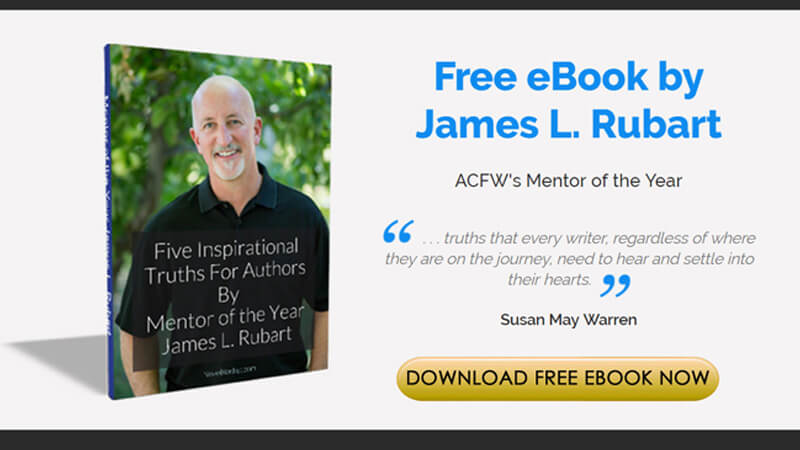
Five Inspirational Truths for Authors

Try our Video Classes

Downloadable in-depth learning, with pdf slides

Find out more about My Book Therapy

We want to help you up your writing game. If you are stuck, or just want a boost, please check us out!

Showing posts with label Facebook. Show all posts

Wednesday, November 30, 2016

5 Keys to Finding Your Focus

by Elizabeth Ludwig

My prayer when I first started out on this writing journey was simple—Lord, please help me to get published, and let my words touch someone’s heart.

Oh, how that prayer has changed over time! After my first book contract, I quickly discovered how unpredictable the publishing industry can be (an article for another time). The joy of holding my first published book disintegrated when I learned that the subsequent two books in the series would not be published as had been promised, and I added this line to my prayer—Lord, please help me to get published, and let my words touch someone’s heart, and let there be another contract.

Proving His love and faithfulness, God did provide another contract. I remember celebrating with thanksgiving the upcoming Christmas novella that would allow me to tell the story of my walk into adulthood. But then the book cover came, and I realized that readers would need a microscope to read the teeny-tiny letters of my name beneath the big, bold letters of the lead author, and I added this line to my prayer—Lord, please help me to get published, and let my words touch someone’s heart, and let there be another contract, and someday, Lord, let my name be the prominent one on the cover.

Since then, I’ve added many lines to that first simple prayer. Weights like good sales numbers, positive reviews, and contest awards now encumber what was once a sincere desire. God reminded me of this during a dark period of wrestling with Him over the path I was to follow. I knew I would have to refocus, and that meant developing five keys:

Key #1: Practice loving God. Everything else will follow
 I always thought there should be an eleventh commandment, and it would read something like this—Thou shalt live thy life with thanksgiving and remember the good that God has done. Later, I realized that this was a commandment and it was connected to the first and greatest—Love the Lord your God with all your heart and with all your soul and with all your mind. (NIV)

Key #2: Do like Facebook and “share”
Hello, my name is Elizabeth Ludwig, and I love facebook. There, I’ve said it. Unfortunately, things like social media, while intended to bring us closer, end up making us rivals. How can we help but be competitive when we’re doing nothing but reading about the successes of others? Still God instructs us to rejoice with those who rejoice, and follows it with a command to mourn with those who mourn. This means taking our eyes off ourselves and focusing on where our friends are.

Key #3: Take up a memorial stone
My writing journey has been filled will all sorts of highs and lows—good reviews followed by bad reviews, new contract followed by poor sales numbers, encouragement followed by discouragement. I realized it was very easy to lose my focus when the only thing I was concentrating on was the lows, but in the back of my mind was a story from the Old Testament. Remember Joshua and his instruction to the Israelites to “take up a stone”? This was to serve as a reminder to the people about God’s intervention in helping them cross the River Jordan, and it can serve as reminder today—about where He has led us and where we have yet to go.

Key #4: Remember God’s plan and cling to it
Writing a book requires quite a bit of time and a whole lot of dedication. On top of the initial commitment, writing something readers will love means pouring a good bit of myself into the work—my pain, the things I’ve learned and lived, even a smidgeon of honesty as I reveal my own personal struggles and vices. When at last the time comes to write “The End”, the finished product can feel very personal—almost like an extension of myself—which is why having a book be unsuccessful can be so excruciatingly painful. Yet God’s word says, “For I know the thoughts that I think toward you, says the Lord, thoughts of peace and not of evil, to give you a future and a hope.” (NKJV)

Key #5: Follow God…even if He leads you away from the one thing you thought you couldn’t live without 
Remember this saying? If God brings you to it, He will bring you through it. It’s from a poem by an unknown author, and it was brought to mind recently when I was struggling to remember why I even began this writing journey in the first place. Along with all the typical highs and lows, I was facing deadlines, trying to meet promotional and marketing demands, and juggling commitments at home and work. I’m ashamed to admit, this led to an extended period of self-pity, typified by the one question repeated over and over in every situation—why? Well, God had an answer for Job when he asked that question, and He had an answer for me—you didn’t get where you are by yourself. I brought you here, I will lead you on. Follow Me.

TWEETABLES
5 Keys to Finding Your Focus by Elizabeth Ludwig (Click to Tweet)

Practice loving God. Everything else will follow~ Elizabeth Ludwig (Click to Tweet)


Remember God’s plan and cling to it~ Elizabeth Ludwig (Click to Tweet)


Elizabeth Ludwig is the award-winning author of No Safe Harbor and Dark Road Home, Books One and Two in the popular Edge of Freedom series from Bethany House Publishers. Her literary blog, The Borrowed Book, enjoys a wide readership. Elizabeth is an accomplished speaker and teacher, often attending conferences and seminars where she lectures on editing for fiction writers, crafting effective novel proposals, and conducting successful editor/agent interviews. Along with her husband and children, she makes her home in the great state of Texas. To learn more, visit ElizabethLudwig.com.

Thursday, February 20, 2014

You Gotta Know When to Hold 'Em: Marketing & Advertising for the Indie Author, Part One


By: Heather Day Gilbert

I asked several authors to fill me in on advertising and marketing tips—in other words, share what's worth the money and what isn't. While each author had different experiences, we hope you can take away ideas that light your marketing "fire."

As we all know, indie publishing is FAR from one-size-fits-all (thank goodness!). However, I'm pretty certain all these authors would advise you to only take on as many of these marketing/advertising opportunities as you can handle, both financially and personally.

At the end of this two-part post, I'm going to link to each of the authors who participated. Thank you all so much for sharing some of your hard-earned wisdom with us!

      BOOK TRAILERS
Some authors had no noticeable sales spikes from their book trailers. But the overall recommendation was that if you do a trailer, make sure you share it pre-book release and make sure it's an accurate, yet short trailer. However, the advice was also offered to keep your budget small on trailers, since they're not the focus of your marketing process, just an addition to it.

      SOCIAL MEDIA
This was, by far and away, the method most authors recommended to get the word out on your books. This means you need to be established in various forms of social media. Points mentioned in this regard were:

TWEET regularly. You can join tweet exchanges (this was news to me!) where you tweet for others and vice versa. Spammy tweets are not recommended, though, so try to keep your tweets more personal and don't litter the feed with them.

—Determine your twitter AUDIENCE. Heather Sunseri, author of Mindspeak and Mindseige, advises authors to be real, which means sharing tidbits about your life. But she also advises not to stray far from topics that would interest your target audience.

—You can also prepare book release or other tweets and share them with your followers, groups, or launch team. It's easy for them to copy/paste them (I'd recommend hashtagging for more specific notice).

—Line up blog interviews ahead of time. You never know which blogs will drive the most traffic to your book, so the more blogs you visit, the better. I personally had several purchases after appearing on an ABA Medieval site that has thousands of readers, but I also had several people put my novel on their To-Read list after I visited a fellow homeschooling mom's blog. Basically, figure out where your reader demographic congregates and request a guest post, interview, or review slot.

—Lock in book reviews ahead of release time (let early readers read your book). That way, when your book launches, some of the first reviews to hit Amazon and Goodreads will be from your early readers, who've had time to thoroughly review your book. Please realize, those initial Amazon reviews will stay in place as the first ones readers see.

And since a self-publishing launch doesn't have to happen all at once, continue asking review sites to review your book, even months after you launch. The beautiful thing about self-publishing is that we don't have to stop marketing our books—it's the "slow burn" effect, which I'm sure I've mentioned before and will continue to mention!

Facebook was mentioned as a wonderful way to reach readers on a personal level. Initially, I avoided having a FB Author page, but it has been my best source of connecting quickly with my readers.

Email lists/Newsletters are consistently touted as the best way to get the word out to readers who love your writing and will buy your books. MaryLu Tyndall, who's maintained a substantial e-mail list for many years, recommends placing an email signup in multiple locations (blog, FB, etc). MaryLu offers a book giveaway to new subscribers once monthly. She also recommends only sending email updates when you have something newsworthy to update, so you're not inundating your subscribers with unimportant emails.

      PUBLIC SPEAKING/BOOK SIGNINGS/TARGETED MENTIONS
—If you're comfortable with it, public speaking was mentioned as an effective way to increase your book's reach and sales. Libraries often love to have authors visit and field questions about their books (especially if your book is in their library! Make a point of donating and signing yours to your local library(ies) once you have softcovers.) 

Book clubs and direct contact with your readers were also considered crucial, even if they didn't result in massive sales. The idea of giving back to your community, via signings and public speaking, was a driving factor for many authors. 

—Also, updating your alumni sites and contacting local papers are small but crucial steps to get the word out closer to home.

Next week we'll be talking more specifically about various paid and free ways to advertise.

For this and the second part of this series (March 20) I'll give shout-outs to all my contributing authors. Names below will link to their websites and book titles will link to their latest novels on Amazon:


***If you have any suggestions on advertising/marketing you've found effective, please let us know in the comments! Thank you.***


Heather Day Gilbert enjoys writing stories about authentic, believable marriages. Sixteen years of marriage to her sweet Yankee husband have given her some perspective, as well as ten years spent homeschooling. 

You can find Heather at her website, Heather Day Gilbert--Author, and at her Facebook Author Page, as well as Twitter, Pinterest, YouTube, and Goodreads. Her Viking novel, God's Daughter, is an Amazon bestseller. You can find it on Amazon and Smashwords. She plans to release her contemporary Appalachian mystery, Miranda Warning, on West Virginia Day: June 20, 2014.

Thursday, December 19, 2013

Lay the Foundation—Three Crucial Steps before Self-Publishing

By: Heather Day Gilbert

One day when I was throwing a piece of pine in our outdoor wood-burner, a thought hit me. Before we could deposit and position this extremely heavy stove in our yard, we had to build a sturdy foundation for it. My dad and my husband had to dig out a large area, build a frame, and fill it with concrete. And then we had to wait for it to set.            


I couldn't help but notice the similarities to the self-published author. Yes, you can jump in fast and just plant that stove (novel) any old where. But over time, it will sink into the ground, go crooked, or possibly even topple. 

You want a firm foundation, and foundations take time. Please understand—I myself am allergic to waiting. Yet this advice is consistent throughout self-publishing circles, and I want to give you the biggest head start on success if you decide to self-publish.

The first thing to square away is your writing. Don't skimp on perfecting it as much as possible before releasing your first novel. Sorry, I know this is ye olde "work on your craft" advice, and I've never loved it, either. When I first jumped into the querying arena, I was convinced my novel was perfect. Several years and *ahem* several rejections later, I can recognize that my very first "perfect" novel will take extensive edits before I'll ever self-publish it. I've learned some tricks of the trade along the way—from agents, editors, critique groups, and my crit partner. This is where making friends in the industry really helps you—finding a mentor a few steps ahead of you, who has been edited and knows things you don't yet. Listen to and integrate sage advice (if it resonates with your novel and writing style!).

Platform-building is also crucial in this electronic age. I firmly believe authors need a blog "home base" where readers can find them, but you don't have to knock yourself out talking about every topic under the sun to build your audience. One brilliant new way to build an early reader base is to share your actual writing on your blog. (Caveat—don't share stuff you want to enter in contests or submit to an agent/publisher). But it's a great way to let people know if they like your stories or not.

Another way to build platform is to interview other authors or review books. While it's no guarantee of said authors' support when your book releases, you get to know them better, bring helpful content to your readers, and extend your sphere of authorly influence. 

There are plenty of other platform-building techniques. I like the advice that agent Amanda Luedeke  of MacGregor Literary gives: you utilize the social media outlets you feel most comfortable with. Try them all—twitter, Pinterest, Facebook, whatever—you might be surprised where your readership migrates. I was unprepared for how much I would love my FB Author Page, which has become a crucial and easy way to reach my readers.

Besides working on writing and platform, the self-publisher needs to lay a firm marketing base. I believe you need at least three months to really focus on marketing before your novel releases. For me, this translated into three months of spending at least two hours a day, brainstorming early readers, asking for endorsements and reviews, and just trying to be fearless with approaching the unapproachable. Not to mention hours spent perfecting an eye-catching book cover and Amazon blurb.

Even now that my book is out on Amazon, guess what? I'm still marketing. Yes, the burden is lighter as I now have readers who will seriously go to bat for my book. But, to be blunt, self-pubbers have a more expensive route to get their novels noticed. Most larger review sites, like Kirkus and Publisher's Weekly, require a substantial fee to join, and even then, there's no guarantee your novel will be chosen to be reviewed. 

So you have to think outside the box...tapping into the haunts where you know your readers hang out, finding smaller free review sites, and incorporating techniques you see working for other authors. Free Kindle giveaways are a great way to reach readers outside your online sphere of influence, but it's tricky to do if you use only Kindle KDP versus Select (I'll save that for another post). 

One blog I love following for updated tips on indie publishing is Joanna Penn's The Creative Penn. Joanna got into the e-publishing world early-on and she has learned many things she's happy to share. 

You might wonder who on earth I am, thinking I know all this stuff. Trust me, the past few months, I spent plenty of time wondering if I'd done anything right as I geared up for my book release. There were some marketing hits and misses. There were plenty of people who ignored my emails (but hey, I've been out on submission—I was ready for being ignored or rejected!). And yet there were also many people who got back to me, loved the book, and endorsed or reviewed it. 

Guess what? On release day, my Viking novel, God's Daughter, hit three Amazon best-seller lists. I'm not saying this to toot my own horn (it was totally God!), but I do feel that laying the foundation was crucial to getting that out-of-the-gate buzz. Maintaining the buzz requires an extended and relentless marketing effort from the author, but it can be well worth it. God's Daughter has stayed on the Amazon Norse/Icelandic historical best-seller list for two months now, largely due to the various guest interviews/blogposts I've been blessed to be part of. I can see a direct spike in sales when those go live.

I really believe self-publishing is going to bring new voices to the fore in Christian fiction—voices that can't be ignored. But for your voice to be heard above all the din of traditional publishers' marketing techniques, you have to lay that foundation, wait, and offer the best product you can. 

And then trust your readers. They will find you.


http://www.amazon.com/dp/B00GAJKV8G
One Viking woman. One God. One legendary journey to North America.

In the tenth century, when pagan holy women rule the Viking lands, Gudrid turns her back on her training as a seeress to embrace Christianity. Clinging to her faith, she joins her husband, Finn, on a voyage to North America.

But even as Gudrid faces down murderous crewmen, raging sickness, and hostile natives, she realizes her greatest enemy is herself—and the secrets she hides might just tear her marriage apart.

Almost five centuries before Columbus, Viking women sailed to North America with their husbands. God's Daughter, Book One in the Vikings of the New World Saga, offers an expansive yet intimate look into the world of Gudrid Thorbjarnardottir—daughter-in-law of Eirik the Red, and the first documented European woman to have a child in North America.


Heather Day Gilbert enjoys writing stories about authentic, believable marriages. Sixteen years of marriage to her sweet Yankee husband have given her some perspective, as well as ten years spent homeschooling her three children. Heather is the ACFW West Virginia Area Coordinator.

You can find Heather at her website, Heather Day Gilbert--Author, and at her Facebook Author Page, as well as Twitter, Pinterest, YouTube, and Goodreads. Her Viking novel, God's Daughter, is on Amazon and Smashwords.

Friday, June 07, 2013

If You’re Truly Serious about Writing, Where are You Focusing Your Time & Energy?


We live in a connected society. And as writers, everywhere we turn we’re being told to get more connected. Platform building is an industry-wide focus.

But all that platform building won’t make you a successful writer if you can’t…well…write well.

So my question to you is this—

Where are you focusing your time and energy?

If it isn’t on writing, you’ve got an problem. Don’t get me wrong, I know we all need to build a viable platform and that includes an online presence. Most of you know I travel around the country teaching writers to do just that. But even though I teach platform building, I still only spend thirty minutes a day, five days a week, on my personal social media; and one two-hour block of time each week generating blog posts.

Why such a small amount of time?

Because I am determined to become the best writer I can be. And I won’t make it if I spend all my time on Facebook, Pinterest and blogging.

And at the risk of bragging, I’ve built a pretty good platform with this formula. More importantly, I’ve stayed focused on learning my craft.

I’ve done it by working smarter, not harder. Here are some of the tricks I’ve learned to help me build a platform without sacrificing valuable writing time.

  • I’ve determined my best time of day to be creative. For me, it’s the morning. Not before dawn early, but about nine until noon.
  • I guard my creative time. If I need to do something that’s not creative, I make sure I do it before or after those magically creative hours. I don’t want to squander that time on making up interesting stuff to share on Facebook. Instead I want to use it writing books.
  • I use an ancillary program to schedule my social media. I personally prefer Hootsuite, but Tweetdeck or Buffer both work well, too. This allows me to schedule Tweets and Facebook updates throughout the day, without having to actually be on Facebook and Twitter.
  • I check social media periodically during the day. I peek at Hootsuite every couple of hours to see if anything interesting has popped up or if anyone has mentioned me. By peek, I spend no more that FIVE minutes. After that, it’s back to work.
  • I keep regular hours. For me, writing is a priority and I make sure my life choices reflect that. I don’t sacrifice my time with God or with my family to write, but after those, it’s always next.

Now I’d love to hear from you. What do you do to guard your writing time? 


Edie Melson is the author of four books, as well as a freelance editor with years of experience in the publishing industry. Her popular blog, TheWrite Conversation, reaches thousands of writers each month, and she’s the co-director of the Blue Ridge Mountains Christian Writers Conference. Her bestselling ebook on social media has just been updated and re-released as Connections: Social Media& Networking Techniques for Writers. She’s the Social Media Mentor at My Book Therapy and the social media director for Southern Writers Magazine. You can connect with Edie through Twitter and Facebook.