Get a Free Ebook

Five Inspirational Truths for Authors

Try our Video Classes

Downloadable in-depth learning, with pdf slides

Find out more about My Book Therapy

We want to help you up your writing game. If you are stuck, or just want a boost, please check us out!

Showing posts with label Bookstores. Show all posts

Thursday, February 04, 2016

What Still Matters?

Dan Walsh is the bestselling author of 15 novels, including The Unfinished Gift, The Discovery and When Night Comes. He has won 3 Carol Awards and 3 Selah Awards. Three of his books were finalists for Inspirational Book of the Year (RT Book Reviews). Dan is a member of ACFW and Word Weavers. He lives with his wife, Cindi, in the Daytona Beach area where they love to take walks and spend time with their grandkids. Click here to connect with Dan or check out his books.


*     *     *

.
As I write this, presidential politics are front and center in the national news. The first official presidential election event just happened, the Iowa Caucus. Of course, presidential politics has been in the mainstream news every day for months. One of the big stories is how some of the leading presidential candidates are overturning everything that used to be considered the norm. On the Republican side, Donald Trump is shaking things up in a big way, while Bernie Sanders is doing the same with the Democrats.

The pundits are saying the mainstream political parties--the Establishment--are completely confused by these developments. Everything they used to do to influence the public isn't working anymore. It's like people are doing their own thing now. They aren't listening to the "powers that be" anymore. 

It almost seems like the same kind of shakeup is taking place in the publishing world. I came onto the publishing scene in 2009, when everything seemed to run the way it always had for almost a century. There were norms in place that were widely followed and acknowledged by all to be "the way things are done 'round here."

In the last couple of years, it seems like all of that has changed.  

I find myself asking this question: "What still matters?" Certain things were emphasized in publishing just a few years ago as being essential and of critical importance for success. Now? Some of those same things don't seem to matter much anymore at all. Other things matter. Newer things. Just about the time I figured out how to do some of the older things well, now it seems no one cares about these things anymore. They care about other things (things I'm not very good at and not sure I want to learn).

Let me give you a few examples:

Blogging - Used to be everybody who is anybody has a blog. You need a blog. I need to blog. Regularly, faithfully. If possible, also join a blog with several other authors. And you need to appear in other people's blogs and leave comments, not just lurk. Now I'm wondering...Does blogging still matter? Hardly anyone reads blogs faithfully and blogs that used to garner dozens of comments every day now barely receive a few.

Agents - Used to be every author needs an agent. And not just any agent, an A-lister, a real mover and a shaker. Without an agent, you're sunk. Publishers won't even look at your manuscript unless you are represented by a great agent. Does this matter anymore? With the rise of indie publishing, do authors even need literary agents anymore? If so, when? Is there a new norm when it comes to agents?

Print Books in Retail Bookstores - Used to be you weren't a bonafide author unless you had been signed by a mainstream publisher, because retail bookstores only accept books vetted by traditional publishers (well actually, this is still the case). Again, with the massive influx of successful indie authors and the rise of people reading their books on digital devices, does this even matter anymore? Do authors even need to worry about getting their books printed and made available in brick-and-mortar retail stores? I read articles that say traditional bookstores still matter but, if I'm being honest, I hardly ever see anyone in the bookstores anymore. Except in the coffee shop. I still love to go to bookstores, but I almost never see anyone browsing through the shelves. A few years ago, the same aisles used to be full. Additionally, I've met many indie authors over the past 2 years who are selling tens of thousands of books and making a great deal of money who've never seen even one of their books in a brick-and-mortar store.

I've got a number of other items I could share in this post, things I'm wondering whether they still matter, but blog posts aren't supposed to be this longThen again, does that even matter anymore? I'd love to hear from some of you on these things (that is, what do you think? What's still matters in publishing and what doesn't matter so much anymore?).

And while I'm talking about things that matter, here's a pic of my newest novel, Rescuing Finley. This matters a lot (at least to me). It's a great book. That's not me saying it, but the 65 other people who've reviewed it on Amazon the last month or so (avg 4.7 stars). It's FREE on Kindle Unlimited and only $3.99 on Kindle. It's about a rescue shelter dog named Finley who winds up rescuing the female inmate who trains him and the Afghan war vet who adopts him. Click here and check it out. 

Dogs always matter.


Wednesday, February 04, 2015

BRIDGING THE GAP BETWEEN INDIE BOOKS AND STORES

by Brandilyn Collins @Brandilyn

Brandilyn Collins is a best-selling author of 28 books. She is best known for her Seatbelt Suspense®--fast-paced, character-driven suspense with myriad twists and an interwoven thread of faith. She also writes insightful contemporary novels, often laced with humor. Her awards include the ACFW Carol (three times), Inspirational Readers' Choice, the Inspy, Christian Retailer's Best (twice), and Romantic Times Reviewers' Choice. She loves to interact with readers on Facebook. Check out all her books on her website.

Last month I told you about the Stakeholders Team that has been put together to address the issue of stocking indie paper books in stores. As a forerunner to assembling this team, the editor of CBA Retailers+Resources asked me to write an article for the February issue about the gap between indies and stores, and how the Stakeholders Team came about. That issue is now available. I am running the text of my article below (and a sidebar on indie titles), with permission from CBA. Go here to subscribe to the magazine.  

Booksellers And Independent Authors
Build Bridges

Last year after my publisher’s fiction line was discontinued, I faced a crossroads in my career. Was this the impetus I needed to become a fully independent author? I’d already released one indie novel and had been considering making the switch. After a good deal of prayer and due diligence I took the plunge, choosing not to sign with another publisher.

Soon in my new venture I began to focus on the large drawback that exists in the indie world: the dearth of indie paper books on the shelves in brick and mortar stores. The large majority of indie units are sold online, either in ebook or paper form. As a result ebooks of new releases far outsell the paper versions—exactly opposite from my experience in working with publishers.

Indie authors—both in the Christian and secular industries—have simply learned to live with the reality that their books won’t show up on store shelves. In truth, because indies make a much higher profit per unit sold than they would earn from a publisher, many are pulling in a very nice income even without sales from brick and mortar stores. So they haven’t seen the need to spend their energy on vying for shelf space.

But I consider the lack of being in bookstores a major concern. I chose to walk away from publishers for my own business reasons. That doesn’t mean I chose to walk away from bookstores. Over the years I’ve built a loyal readership of my Seatbelt Suspense® novels. Many of those readers still shop in bookstores. Plus, I’m concerned to see more and more book products move from the shelves to strictly online. That’s hurting the bottom line in stores. Meanwhile the trend of authors turning indie is on the rise. Many of my traditionally published colleagues are expressing serious interest in indie publishing—either through turning indie full time or releasing indie titles as they fulfill their contracts. (See “Indie Releases From Previously Traditionally Published Authors” for a small sampling of titles.) Because of this trend, it’s clear the gap between indies and stores is only going to widen.

Who is losing as a result? Everyone in the industry. Both authors and stores lose potential sales. Distributors lose their potential cut from these sales. Meanwhile online retailers grow even more powerful. As the overall industry and bookstores are hit, publishers also suffer.

Hmm, I thought. Why doesn’t somebody fix this?

For my first indie Seatbelt Suspense®, Sidetracked, I teamed up with a press that guaranteed the novel would be sold into bookstores through a distributor. Sidetracked is selling off shelves, and I have seen a profit from that endeavor. However this approach required a large amount of upfront money for producing the book, marketing it, and print-runs. It took months to pay back that investment and begin to see a profit in paper. (Meanwhile the ebook version was immediately earning well.) This approach isn’t something I want to continue doing. And many indie authors can’t afford it at all.

As I researched further into the issue of indie books not being stocked in stores, I saw that indie books often are available for order through distributors. But the bookstores don’t know about these books, because there are no sales people presenting them to the stores. And booksellers don’t have time to try to find new titles on their own.

So there lay the real crux of the problem: how can indie books be sold into bookstores?

During the ACFW conference last September I approached CBA’s managing editor with this issue. Could we work together to try solving the problem? CBA has been very responsive. They were quick to see that, while various industry stakeholders have the same questions regarding indie publishing trends and the impact on everyone involved, no one group has all the answers. The potential opportunities soon became apparent—and the decision was made to bring together representatives from around the industry to work toward solutions that “win” for everyone.

And, boy, am I learning more about this problem. Why hasn’t someone fixed it? Because it’s large and multi-faceted, with no pat solution. And it certainly can’t be “fixed” by one person. Every aspect of Christian publishing represented by the stakeholders team will need to be open-minded in understanding the issues from the other parties. Those issues range from the retailers’ ability to return unsold books, to the authors’ need for a high enough per unit profit balanced against being at risk for those returns. In addition, retailers will be concerned about content in the books. Without a publisher in the mix, who’s going to vet that content? Meanwhile distributor salespeople have quotas to attain, which are more easily met by selling books in bundles (as from a publisher), than individual books from indies. Is there a way for indie books to be bundled?

Further, there are two groups of indie authors—those who were once traditionally published and have proven sales in brick and mortar stores, and indie authors who have never been traditionally published. That latter group breaks down even more. Some indies are so new to the industry that retailers won’t want to risk stocking their titles. But other indies have built a solid readership and are pulling in a lot of online sales every month. Will retailers be willing to give them a chance?

Our stakeholders team hopes to report on our progress this summer at ICRS so the discussion can continue on a wider scale. We don’t yet know what the answers will look like, but we are willing to try to find a solution for the good of the entire Christian publishing industry.

And I strongly believe we do have to find a solution, one that will continue to evolve as needed. Our industry is facing difficult times. Online sales, ebooks, indie authors—all of these have been disruptors to traditional publishing and bookselling. The disruption is only going to continue. So all of us must look forward. A smaller problem today is likely to become a major problem tomorrow. Do we sit back and wait for it to get worse—or do something about it now?

I urge my indie author colleagues to not focus solely on online sales. What happens in the future when those online sellers are, in turn, disrupted? I urge retailers to not view indie authors as producers of books that stores can’t sell. What happens when more and more books are written by indies? And I urge distributors to help create a solution to this problem so they, too, can capture the income they are currently losing.

We all have to work together to bridge the gap between indie titles and bookstores. As one CBA representative put it, “I doubt that everyone working on their own ‘status quo’ basis is going to move the needle. But by everyone understanding the value and needs of the others, we can make a difference.”

The stakeholders team welcomes your thoughts on this issue. Please send an email with the subject line Bridges to cellis@cbaonline.org.


Brandilyn’s latest Seatbelt Suspense®, Sidetracked, (over 180 5-star reviews) is on sale for $0.99

When you live a lie for so long, it becomes a part of you. Like clothing first rough and scratchy, it eventually wears down, thins out. Sinks into your skin ... 


Thursday, October 03, 2013

Where Is This Thing Going?

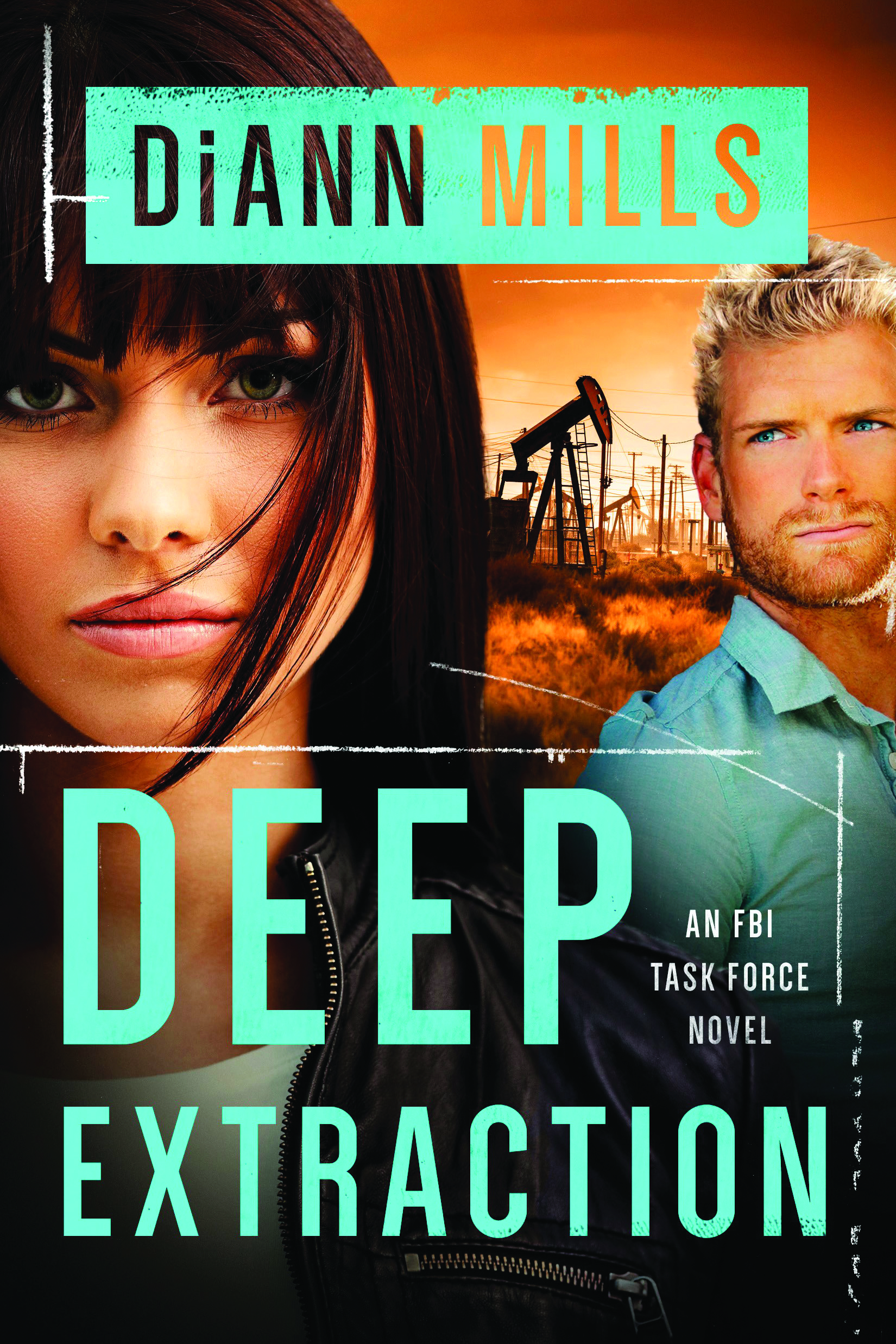
I love bookstores. My wife and I both do. Roaming the aisles, picking up books that catch our eye, then meeting back at the cafe for a latte has been a favorite date night activity for a long time. It's been especially fun over the last 5 years, since my own novels have started showing up on bookstore shelves (that's my newest one on the right...shameless plug). But I've noticed some unsettling trends in the past few years when we visit bookstores.

Perhaps you have, too.

  • We don't see as many people walking through the aisles.
  • Or as many book titles on the fiction shelves.
  • Or as many copies of my books, or my author friends' books, on the shelves.
In the last 2 years, I've been reading poll after poll, survey after survey, blog after blog and they all seem to be telling me why. We are in the midst of a massive, tectonic shift in the publishing world. Or maybe better said, in the book-buying world. Things are moving increasingly toward online stores and Ebooks and away from the traditional bookstore.

Let's take a look at the hottest-selling books in the Kindle store on Amazon at the moment, see if we can learn anything about what's selling and why:
  • 7 of the Top 10 Bestsellers on Kindle are full-priced books (in the $10-11 range). Most are "brand name" authors like O'Reilly, Stephen King, James Patterson and Nicholas Sparks.
  • But if we extend this list out to the Top 20 Bestsellers, we find 9 books priced at $2.99 or less.
This tells me that lots of people are still willing to shell out decent money for authors they already know and love. But even more readers are willing to buy books by less well-known authors if the books are drastically reduced in price. Another factor...all these books averaged 4 to 4.5 Stars (or better), so it's clear good ratings matter, too.

What do we find when we narrow the focus to Amazon's Top 10 Bestsellers in Christian Fiction (again, looking at Kindle sales)? As far as pricing goes, it's a little different story:

  • Only 1 of the Top 10 Bestsellers could be considered "full-priced," although 2 are in the $8 range. But 5 of the Top 10 are significantly discounted at $2.99 or less.
  • Extend the list to the Top 20, we find 12 (the majority) are discounted books at $3.99 or less.
Once again, all 20 of these novels have reviews averaging 4 to 4.5 Stars (or better). So once again, solid ratings are another thing that really matters (not just low price).

When I look at numbers like this, it's no wonder sales at brick-and-mortar bookstores are in serious decline. People are able to instantly preview, then download well-reviewed books for $2-4 a piece. That's several dollars less than what mass-market paperbacks used to go for.

And it's not just Ebooks that are selling well. Readers who love to turn real paper pages are increasingly buying their books online rather than at the bookstore. Whenever I get with readers to chat I ask them about their book-buying habits. I keep hearing the same thing. More and more are buying them online, for two main reasons:

  1. Price - they often get print books at much lower prices.
  2. Availability - they can instantly order whatever book they want (complain they often can't find what they want at bookstores anymore, especially when buying books in a series).
I hate to say this but...unless we experience a horrific solar flare or a huge asteroid knocks out all our internet satellites, I don't see a bright future for the traditional bookstore. It seems like it's just a matter of time before this massive shift in the book-buying world relegates the bookstore to the ranks of the Smith-Corona typewriter, the horse and buggy or old wooden ships.

Am I overstating this? What do you see up ahead? Where do you think all this is going? What kind of things do you think will stay the same? What kind of things will permanently change?

Dan Walsh is the award-winning and bestselling author of 8 novels, including The Unfinished Gift, Remembering Christmas and The Dance. He has won 3 Carol Awards and 2 Selah Awards. Six of his books have been Top Picks on RT Reviews. Two were finalists for Inspirational Book of the Year. Dan is a member of ACFW and Word Weavers. He lives with his wife, Cindi, in the Daytona Beach area where they love to take long walks. To connect with Dan or check out his books, go to: http://danwalshbooks.com