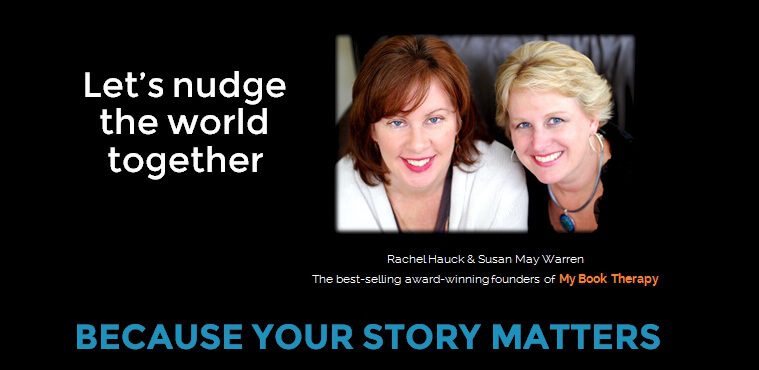
 Rachel Allord grew up as a pastor’s kid, vowed never to marry a
pastor, and has been contentedly married to her husband, a worship pastor, for
seventeen years. She holds a B.A. in English education and is privileged to be
both a biological and adoptive mother. Mother of My Son, her debut novel,
released in May 2013 through Pelican Book Group (Harbourlight). She resides in
Wisconsin where she avidly consumes coffee, sushi, and novels– preferably at
the same time.
Visit Rachel at www.rachelallord.com!
* * * * * * * * * *
When I began writing my
novel Mother of My Son, I didn’t know
first hand what it was like to adopt. A few years later, after holding my
daughter for the first time in a sun-lit governmental building in China, I did.
From then on, when I fleshed out scenes from the viewpoint of my adoptive mom
character, experience grounded me. I’d been there. I knew. And we all
know—altogether now—write what you know. Write what you understand, what you’ve
experienced, what you get.
Seek the story in what
you know.
 But here’s the truth:
If we only crafted stories centered on our experiences the world would be full
sleepy books because, let’s face it, life is a whole lot of humdrum. Sure we
all have a handful of those firecracker moments—death and betrayal and crisis
and danger, utmost joy and searing loss—but mostly our days consist of moments
not worth writing about: losing keys. Staying up all night with a throwing up
kid. Muttering at the pick-up behind you riding your tail. Yawn, yawn and pass
the coffee. Not the ingredients for a best seller.
And yet…
Could these moments be
helpful, even essential, to a writer? Does that frustration you feel when you
punch a series of numbers into your phone, desperate to talk to a real live not
automated person, bolster your ability to flesh out a character desperate for a
job? When you slam your finger in a drawer—can that pain help you create a
better car crash scene? Can the daily
blah be transformed into fodder for the craft?
Oh yes. The lackluster everyday provides lovely, rich soil in
which honesty and resonance flourish in our manuscripts.
The thing is, we have
to pay attention. As storytellers our job is to take what we know, what we
feel, begin there… and run like the wind. Take it a step further. Take, “When I was seven and my cat died I was
so sad I could hardly swallow” to “What if my father had died when I was seven?” True, in terms of loss, the
experiences can’t be compared; in terms of emotion, they can.
Here’s what I love
about writing: We are forced to wake up to the world around us. Why? It’s all
potential fodder. All of it. That mom hollering at her kids in aisle six? She
has a story. And it might be worth telling. So drink her in. What do you see in her eyes? I mean past the anger? What do you see in the
eyes of her children? In the eyes of those passing by? It’s like my high school
art teacher used to say: draw what you see,
not what you think you see. Write
what you see.
Seek the story in the
mundane.
People are wonderfully,
infuriatingly complex. And we love complex characters, as layered as tiramisu.
But doggone it, they can be so tricky to pin down with words.
When I was knee deep in writing Mother of my Son I was hit with
a frightening realization: I didn’t understand my protagonist, Amber. Not only
that, I didn’t even like her. And if I didn’t like her, why would my readers?
She does this awful thing, right off the bat in the first chapter—she leaves
her newborn beside a dumpster. I felt compelled to tell her story, I couldn’t
shake it, but I didn’t get her.
So I got really quiet. I stopped clicking the
keys and prayed. And then I listened. Shhhh. What does she say? Who can I
listen to in my real world that’s tread a similar path? What news stories and radio shows can lend me
understanding? What memories and emotions can I dredge up to evoke empathy? How
can I move past the stereotype of her, the image that surfaces when I think
“girl leaves baby in dumpster” to her,
so I can write not what I think I see, but what I see.
Seek the story in what
you hope to understand.
Because story is all
around us, when we are watchful and hushed to see and hear.